
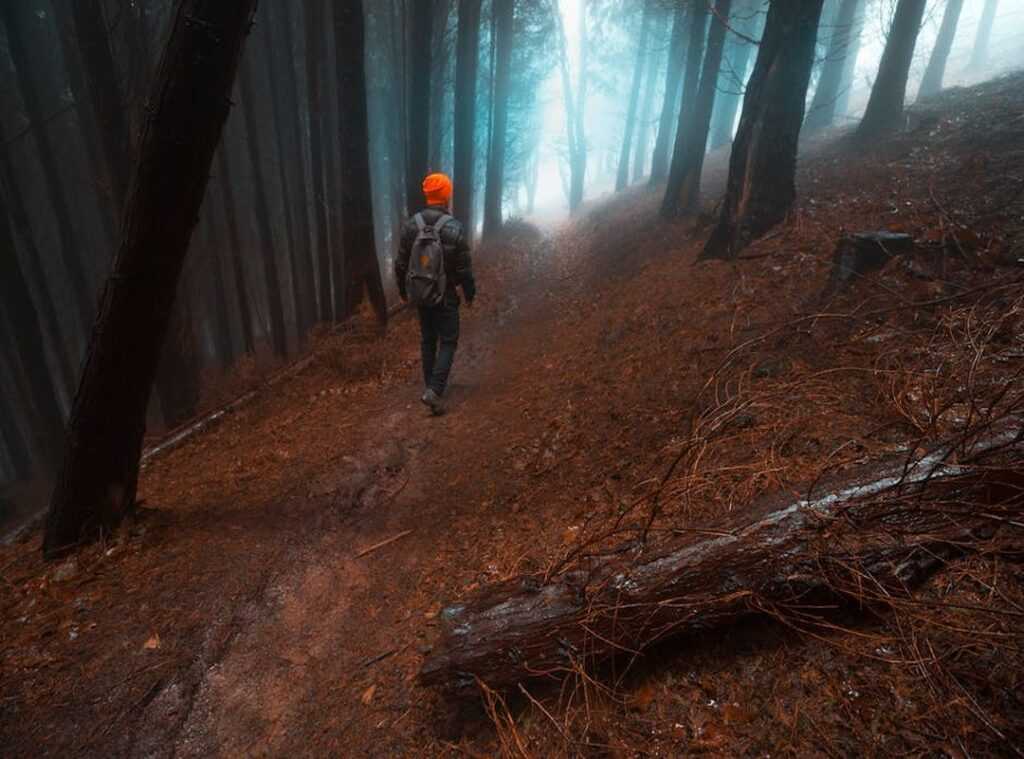
You’re at the trailhead, excited for an escape, but instead of solitude, you’re greeted by a sea of people. It’s frustrating, right? The best hikes aren’t the crowded ones.
They’re the ones you find yourself. I’ve spent years navigating beyond the guidebooks, diving into the depths of lesser-known trails exploring. you truly find peace.
Doesn’t it feel like some secret art? It is, but not for long. I’m here to arm you with skills, not just a list of trails.
You’ll learn how to discover your own hidden gems anywhere in the world. You’ll trust this because I’ve done it. Countless times.
You’re after adventure and solitude. This article is your map. Let’s open up the wilderness together.
The Explorer’s Mindset: Earning Your View
There’s something special about the thrill of undiscovered trails. It’s not just about finding a path less traveled; it’s about truly earning your view. You see, unpopular trails might be neglected for good reason (muddy, unremarkable).
But undiscovered ones? They’re the real gems waiting for those willing to take the challenge.
Have you ever felt the eerie silence of an empty forest? It’s both unsettling and exhilarating. You become hyper-aware, every rustle and snap of a twig taking on new meaning.
When you venture into the unknown, relying only on your instincts and a compass, it’s a different kind of adventure. Lesser-known trails exploring demands more than just physical stamina. It asks for self-reliance and keen observation.
And when you finally stumble upon an untouched vista, one that hasn’t been plastered all over Instagram, the satisfaction is unparalleled. You’re not just seeing a view (you’re) claiming it. This mindset connects us to our frontier skills, deepening our bond with nature.
Speaking of surprises, knowing how to handle an unexpected wildlife encounter can be key. Because let’s face it, the wild doesn’t come with warning signs. And maybe that’s the point.
The Modern-Day Cartographer: Your Toolkit for Finding Hidden Gems
Ever thought about the thrill of discovering a trail no one else knows about? It’s like being a modern-day cartographer, piecing together clues to find those hidden gems. Here’s how you get started.
First, let’s talk digital scouting. With apps like CalTopo or Gaia GPS, you can be a detective right from your couch. These tools let you switch between satellite views and USGS Topo maps.
Here’s what you’re looking for: faint lines that hint at old paths, abandoned service roads, or natural clearings that might lead somewhere interesting. Ridge lines often suggest a more rugged, adventurous path.
Now, I bet you’re wondering how to read the land without stepping outside. Thankfully, topographic maps are your best friend here. You’d be surprised how social trails.
Those unofficial paths used by locals or wildlife (often) show up as faint lines. Contour lines indicating gentle slopes can also lead to undiscovered routes. It’s about connecting the dots between established trails.
It’s a skill, but one you can learn.
And don’t underestimate the power of a good chat. Seriously. Talking to park rangers can reveal trails not on any map.
Local outdoor shop staff often have insider knowledge about trails only the locals know. Even historical maps can be a goldmine, showing old logging roads or homestead paths that nature has reclaimed. You’ll feel like a treasure hunter unearthing these paths.
Now, gear up. A checklist is key for any budding trail-finder. You need a mix of digital and analog tools.
A reliable GPS app is key, sure, but never underestimate the power of a good compass. And yes, people still use them!
Finally, for a more full dive into lesser-known trails exploring, there’s a whole world beyond this brief guide. Explore further and take those first steps into finding your hidden paths.
So grab your pack, fire up those apps, and maybe next time you’ll be the one sharing stories about that lost trail that became your secret. Who knows what you’ll find out there?
Hidden Paths to Discover: Three Blueprints
Ever stumbled upon a trail you didn’t know existed? I have, and these paths can be a game-changer for your adventures. They’re not on the main map, but once you find them, you’ll wonder how you ever missed them.
Let’s talk about these hidden gems.
First up, the “Forgotten Connector.” Picture this: you’re hiking the Blue Trail, and there’s a stunning waterfall loop just two miles away. Instead of trudging along the road, there’s a short but beautiful path that links them directly. It’s the kind of path you find when you’re not really looking, nestled between the more popular routes.
I once found one like this and cut my hike time by a third. Worth it? Absolutely.
Then we have the “Decommissioned Road.” Old logging routes, reclaimed by nature, offer surprisingly good hiking. These are wide, gently graded, and often lead to places few people go. Want to spot one?
Look at satellite imagery. Straight lines of trees often mean an old road. It’s like a secret handshake with nature.
You’re not just hiking; you’re exploring history.
Lastly, there’s the “Parallel Waterway.” Following a creek or river from a busy access point can be a revelation. These unofficial trails (often) called “fisherman’s paths”. Give you solitude and unique scenery.
I once followed a creek that led to a hidden waterfall. It was like stepping into another world. Speaking of, if you’re into quests for nature’s wonders, you might enjoy Hidden Waterfalls Quest Natures Wonders.
These paths make lesser-known trails exploring more than just a hike. They’re an experience, a chance to see what others miss. So next time you’re out there, keep an eye out.
You might just find your new favorite trail.
Expedition Ready: Safety & Ethics on Unmarked Terrain
Venturing into the unknown of lesser-known trails exploring isn’t just thrilling; it’s a hefty responsibility. You gamble with greater risk and owe it to yourself (and nature) to play smart. I’ve learned the hard way that safety protocols are non-negotiable.
Always have the ‘Ten Essentials’ on you. Don’t skip on a reliable navigation system and a backup. Tell someone your plan before you set out.
Ever been lost in the wilderness? It’s terrifying. Basic land navigation skills can save your life.
If you find yourself disoriented, don’t panic. Stop, think, and then move. A personal locator beacon (PLB) is your lifeline.
Always bring one. It’s not an optional gadget; it’s a lifesaver.
Leave No Trace isn’t just a catchy phrase. On these unmarked paths, it’s the difference between preserving nature or trampling it. Pack it in, pack it out.
Simple, right? But many forget. Keep your footprint minimal to maintain the untouched beauty of these hidden gems.
Pro tip: Always research weather conditions. Nature’s unpredictable. And trust me.
Getting caught unprepared is never fun. Thinking ahead is your best survival tool. Stay ahead of the game, and the wilderness will reward you.
Set Your Sights on the Unseen
Tired of the same crowded, uninspired hikes? I know the feeling. The answer isn’t just another list of trails.
It’s about gaining the skills to become a true explorer. With the right tools and mindset, the world of lesser-known trails exploring is right around the corner. Why miss out on the beauty hiding in your backyard?
Pull up a map, pick a potential route, and start your own expedition today. Trust me, it’s time to break free from the mundane. Embrace the adventure and find the hidden gems waiting for you.
Ready to explore? Your journey starts now.
 Ask Kaelric Quenvale how they got into wilderness skills and survival tactics and you'll probably get a longer answer than you expected. The short version: Kaelric started doing it, got genuinely hooked, and at some point realized they had accumulated enough hard-won knowledge that it would be a waste not to share it. So they started writing.
What makes Kaelric worth reading is that they skips the obvious stuff. Nobody needs another surface-level take on Wilderness Skills and Survival Tactics, Frontier Findings, Hid Terrain Expedition Techniques. What readers actually want is the nuance — the part that only becomes clear after you've made a few mistakes and figured out why. That's the territory Kaelric operates in. The writing is direct, occasionally blunt, and always built around what's actually true rather than what sounds good in an article. They has little patience for filler, which means they's pieces tend to be denser with real information than the average post on the same subject.
Kaelric doesn't write to impress anyone. They writes because they has things to say that they genuinely thinks people should hear. That motivation — basic as it sounds — produces something noticeably different from content written for clicks or word count. Readers pick up on it. The comments on Kaelric's work tend to reflect that.
Ask Kaelric Quenvale how they got into wilderness skills and survival tactics and you'll probably get a longer answer than you expected. The short version: Kaelric started doing it, got genuinely hooked, and at some point realized they had accumulated enough hard-won knowledge that it would be a waste not to share it. So they started writing.
What makes Kaelric worth reading is that they skips the obvious stuff. Nobody needs another surface-level take on Wilderness Skills and Survival Tactics, Frontier Findings, Hid Terrain Expedition Techniques. What readers actually want is the nuance — the part that only becomes clear after you've made a few mistakes and figured out why. That's the territory Kaelric operates in. The writing is direct, occasionally blunt, and always built around what's actually true rather than what sounds good in an article. They has little patience for filler, which means they's pieces tend to be denser with real information than the average post on the same subject.
Kaelric doesn't write to impress anyone. They writes because they has things to say that they genuinely thinks people should hear. That motivation — basic as it sounds — produces something noticeably different from content written for clicks or word count. Readers pick up on it. The comments on Kaelric's work tend to reflect that.