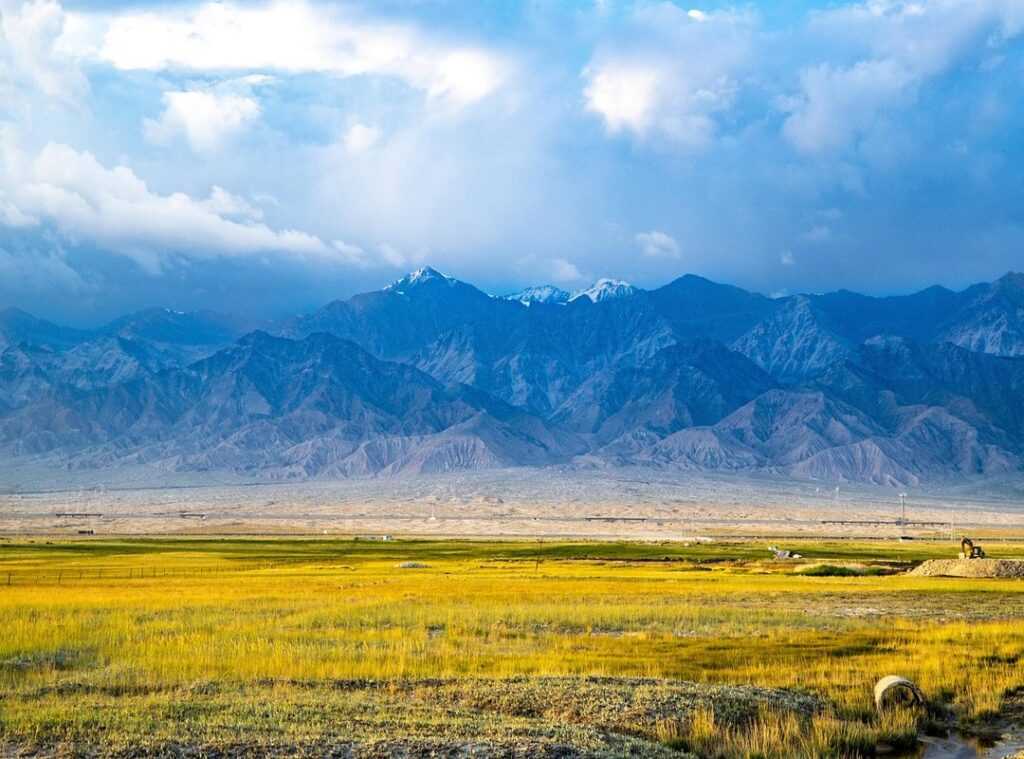
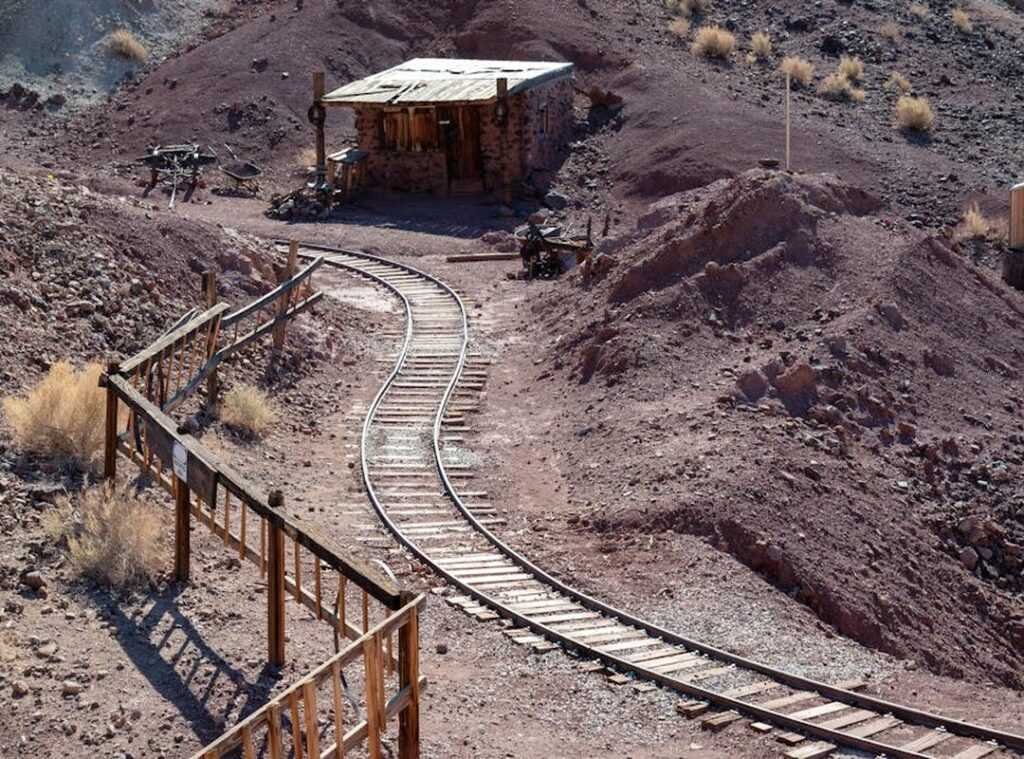
Picture this: you’re deep in the wilderness, clinging to a paper map and compass. I’ve been there, feeling the earth’s raw challenge. Technology has flipped the script.
The wild remains fierce, but our tools? They’ve evolved beyond old school.
It’s a jungle of options out there. Which tech is really game-changing in remote exploration? Frontier expedition innovations aren’t just buzzwords. They’re the real deal.
I’m talking field-tested advancements. I’ve spent years in harsh terrains, pushing gear to its limits. I know what works and what doesn’t.
You want the truth, not marketing fluff. This guide cuts through the noise.
Get ready for a no-nonsense dive into modern exploration essentials. You’ll uncover the keys to surviving and thriving in today’s frontier landscapes.
Beyond the Signal: Navigating the New Frontier
So, GPS was once the king, right? Now, you’ve got multi-band GNSS receivers doing a much better job. Why?
They maintain a lock in tricky spots like deep canyons or under dense trees. Trust me, when you’re in the middle of nowhere, that matters. It’s like comparing dial-up internet to broadband (remember those days?).
These frontier expedition innovations are more than fancy gadgets; they’re lifesavers.
Ever heard of two-way satellite messengers like Garmin inReach or Zoleo? These aren’t just upgrades. They revolutionize safety by turning passive PLBs into active communication.
Imagine being able to send messages to loved ones from the wild. It’s the biggest leap in backcountry safety I’ve seen. You’re not just a dot on a map anymore.
You’re able to shout out for help if needed.
Now, let’s talk modern digital mapping platforms. Gaia GPS and onX Offroad are important. They’re not just about pretty pictures.
Understanding map layers like satellite, topo, and land ownership is key. And managing offline maps? That’s a skill you need.
It’s your ticket to not getting lost. Pro tip: always double-check your downloads before heading out.
This tech isn’t just plug and play. You have to learn power management. Use solar chargers and power banks wisely on long treks.
Don’t let your battery die mid-trip. That would be a nightmare. Trust me, nothing’s worse than a dead device when you need it most.
And here’s a must-see: technology enhancing exploration. This is where the magic happens. These tools aren’t just about convenience; they’re about survival.
Get equipped, get educated. Because in the wilderness, being prepared is everything.
Gear Revolution: Lightweight, Tough, and Smart
The days of lugging around heavy canvas and rugged nylon on backpacking trips are thankfully behind us. I mean, why would anyone want to do that anymore? Modern explorers are embracing the magic of material science.
Enter Dyneema Composite Fabric (DCF). It’s like the Bruce Wayne of backpacking materials. Cutting down pack weight by pounds without giving up durability.
This stuff is light yet surprisingly strong.
Gone are the days when you’d sweat buckets under heavy clothes or soak in damp misery. Graphene-infused fabrics offer superior thermal regulation. It sounds like something out of a sci-fi movie, doesn’t it?
But it works. And don’t get me started on hydrophobic down. It keeps its loft even when wet, which is a game-changer.
I remember when my sleeping bag turned into a soggy mess just because of a little drizzle.
Water purification is another area where we’ve left the past behind. Those slow chemical tablets? Relics.
Now, we’ve got instant hollow-fiber filters and UV purifiers. They’re not all perfect, though. In silty water, those filters can get clogged.
For streams, they’re brilliant. It’s about picking the right tool for the job, just like choosing between an old clunky external frame pack and a sleek ultralight setup.
For more on how these changes are reshaping how we explore, check out frontier expedition innovations. You’ll find even more takeaways on how modern gear transforms outdoor adventures. Are we living in the golden age of exploration gear or what?
The gains in weight and efficiency today make even the most grueling expeditions feel manageable. There’s no going back.
Code of the Wild: Digital Meets Traditional
Ever heard of digital bushcraft? It’s a mix of old-school grit and new-era tech. We’re in an age where tech isn’t the enemy of survival skills; it’s the ally.
For instance, Google Earth Pro isn’t just a fancy tool for armchair adventurers. It’s a game-changer. I used it before a trek to pinpoint water sources and campsite spots.
Picture this: knowing your obstacles before you hit them.
And weather apps? They’re more than just checking if you need an umbrella. Avalanche safety and risk management have been transformed by modern weather forecasting.
It’s not just cloud-watching anymore; it’s reading the finely-tuned data that keeps you out of a snowy grave.
Let’s talk about first aid. Out in the wild, being prepared means more than a basic kit. We’re talking military-grade gear like compact chest seals and advanced tourniquets.
But owning gear isn’t enough. Training is key. I’ve seen folks with top-notch gear but not the skills to use it. (It’s like giving someone a Ferrari when they can’t drive.)
Modern wilderness travel demands frontier expedition innovations and embracing pioneering breakthroughs in outdoor research. This is where tradition and technology shake hands. So, are you ready to evolve?
The frontier calls for those who can blend these worlds effectively. It’s not about leaving the past behind, but enhancing it with the tools of today. If you’re not using tech wisely, you’re just playing catch-up in a world that’s rapidly moving forward.
The Eye in the Sky: Drones and Data on the Frontier
Drones aren’t just toys. They’re solid tools for anyone serious about exploring the unknown. Imagine you’re out there, on a frontier expedition, looking for a safe river crossing.
A lightweight, packable drone can scout ahead, saving you from a potentially dangerous trek. It’s like having a bird’s-eye view without leaving the ground.
These drones can also check ridge lines for viable paths. You know, those spots you can’t see until you’re right on top of them. And let’s not forget getting a 360-degree view from a summit.
No risky climb needed, just launch your drone and see everything.
But it’s not just about the drones. Publicly available remote sensing data, like LiDAR, is a game-changer. With it, you can create hyper-detailed topographical maps.
These maps reveal hidden terrain features, giving you an edge in planning your route.
Of course, there are real-world limitations. Battery performance drops in cold weather (a big issue if you’re in the mountains). Then there’s the legal and ethical side.
Respect wildlife, privacy, and Leave No Trace principles. It’s important.
Drones and data are frontier expedition innovations. They give you a level of situational awareness that was once only available to large, funded expeditions. So, are you ready to embrace this tech?
Because the frontier is waiting.
Upgrade Your Expedition Gear
The wild frontier isn’t tamed yet, but we sure as hell have gotten better at navigating it. Stick with outdated gear and knowledge, and you’re setting yourself up for trouble. What’s the solution?
Mix those classic wilderness skills with today’s tech. This isn’t just theory; it’s the path to safer, smarter adventures. So, what’s your next move?
Audit your gear and skills. Identify just one area to upgrade from this article before your next trip. Trust me, it makes all the difference.
Dive into frontier expedition innovations and level up your game. Don’t wait. Prepare now.
 Theo Zavalayana is the kind of writer who genuinely cannot publish something without checking it twice. Maybe three times. They came to curious explorations through years of hands-on work rather than theory, which means the things they writes about — Curious Explorations, Frontier Findings, Hid Terrain Expedition Techniques, among other areas — are things they has actually tested, questioned, and revised opinions on more than once.
That shows in the work. Theo's pieces tend to go a level deeper than most. Not in a way that becomes unreadable, but in a way that makes you realize you'd been missing something important. They has a habit of finding the detail that everybody else glosses over and making it the center of the story — which sounds simple, but takes a rare combination of curiosity and patience to pull off consistently. The writing never feels rushed. It feels like someone who sat with the subject long enough to actually understand it.
Outside of specific topics, what Theo cares about most is whether the reader walks away with something useful. Not impressed. Not entertained. Useful. That's a harder bar to clear than it sounds, and they clears it more often than not — which is why readers tend to remember Theo's articles long after they've forgotten the headline.
Theo Zavalayana is the kind of writer who genuinely cannot publish something without checking it twice. Maybe three times. They came to curious explorations through years of hands-on work rather than theory, which means the things they writes about — Curious Explorations, Frontier Findings, Hid Terrain Expedition Techniques, among other areas — are things they has actually tested, questioned, and revised opinions on more than once.
That shows in the work. Theo's pieces tend to go a level deeper than most. Not in a way that becomes unreadable, but in a way that makes you realize you'd been missing something important. They has a habit of finding the detail that everybody else glosses over and making it the center of the story — which sounds simple, but takes a rare combination of curiosity and patience to pull off consistently. The writing never feels rushed. It feels like someone who sat with the subject long enough to actually understand it.
Outside of specific topics, what Theo cares about most is whether the reader walks away with something useful. Not impressed. Not entertained. Useful. That's a harder bar to clear than it sounds, and they clears it more often than not — which is why readers tend to remember Theo's articles long after they've forgotten the headline.