Imagine a flash flood swallowing the trail behind you. Standard advice says “stay put,” right? But waiting here would be a death sentence. survival tactics extreme come in.
Most guides stop at basics. They tell you how to build a fire or find water. But what about when the fire’s useless, or the water’s contaminated?
I’ve seen things get serious on high-altitude expeditions where basic tips won’t cut it. That’s why we need real strategies. Ones that are field-tested, not theoretical.
This isn’t just about gear or skills. It’s about mindset (psychological) resilience, the true game-changer. Ready to think differently about survival?
I’ll show you how to tackle the impossible. Dive into this guide and gain tools to survive when the basics fall short.
The Apex Predator’s Mindset: Psychological Fortitude in a Crisis
When you’re stuck in a crisis, your mind is your greatest ally. Forget the knife or fire starter. It’s the mental strength that gets you through.
Survival tactics extreme situations demand a sharp mind. The one mental model you need? The OODA Loop.
Observe, Orient, Decide, Act. This is your system for making decisions when everything else is chaos. It’s not just theory.
It’s about breaking out of panic, taking control, and making clear decisions.
Let’s talk fear. It grips you, right? But mastering it is key.
Special forces use tactical breathing to calm nerves. Box breathing: inhale for four seconds, hold, exhale, hold again. This technique lowers your heart rate, sharpens your focus, and keeps you steady.
It’s like hitting the pause button on panic.
Ever heard of micro-missions? They’re your lifeline. Instead of being overwhelmed by “I need to survive,” break it down.
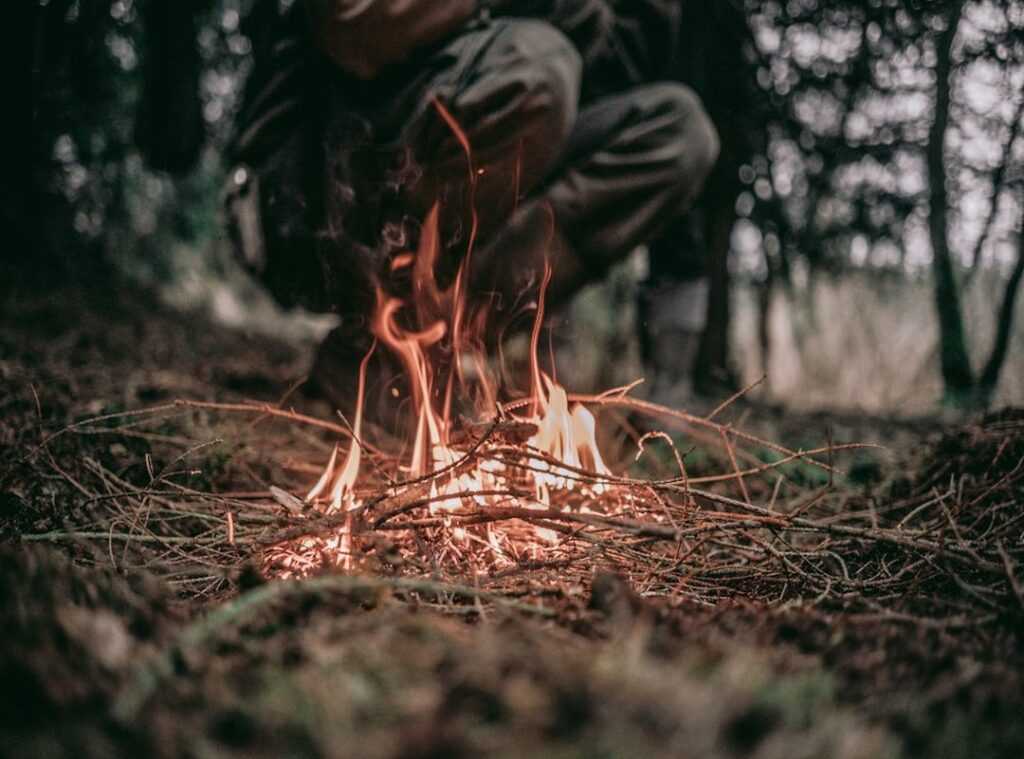
Find a windbreak, gather tinder. Each small goal is a victory, keeping morale up and the momentum going. It’s about winning the small battles.
Want to learn more? This guide on mastering wilderness navigation might be your next step. Because let’s face it, surviving isn’t just about the big picture.
It’s about the tiny, deliberate steps you take when everything’s on the line.
Unconventional Shelter: Terrain and Microclimates
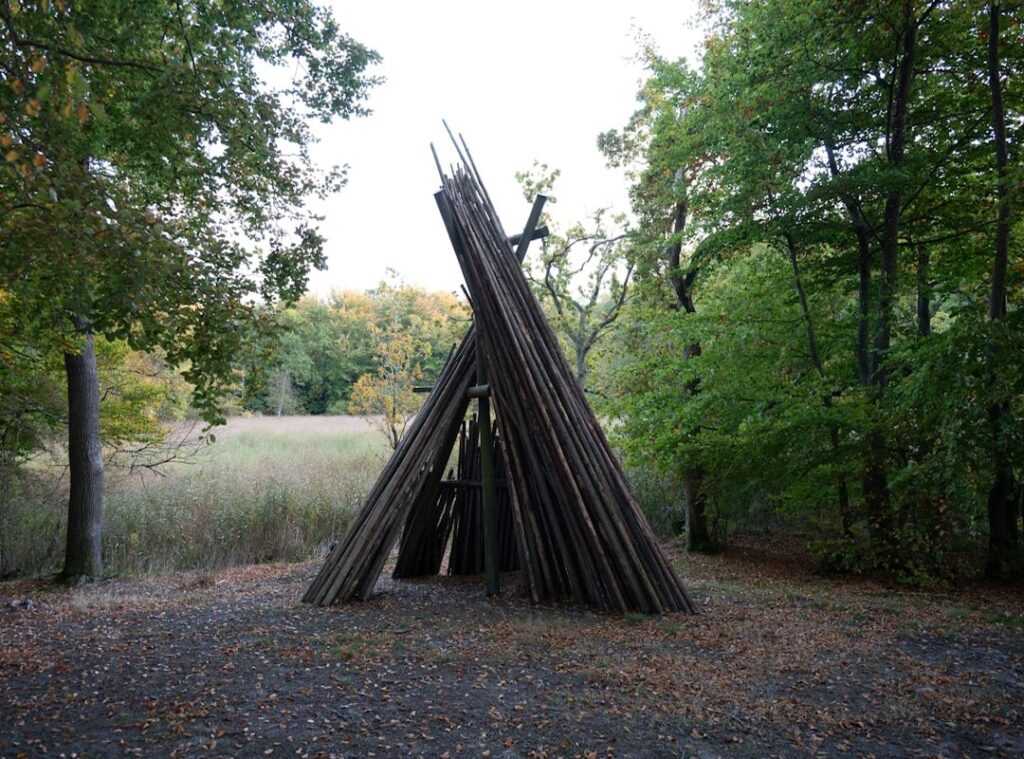
Forget the flimsy lean-to. In extreme conditions, man-made shelters often drain your energy. Look around.
You have natural options that can be a godsend. Ever seen the dry space under a large fallen tree’s root ball? It’s like nature’s umbrella.
Or find a rock overhang. Better than a tent in a downpour.
How about a dense thicket of conifers? They offer protection from wind and rain. If you’re wise, you’ll learn to spot these quickly.
Improving them is easy. Use debris or branches. A little effort goes a long way.
Now, let’s address the real danger: heat loss to the ground. That’s the real killer out here, not the lack of a roof. You can create an insulated sleeping bed with debris or evergreen boughs.
Even your backpack can help. This matters more than anything overhead.
Ever heard of microclimates? They’re key in survival tactics extreme scenarios. Use a space blanket or tarp with a small fire and rock face.
You create a radiant heat ‘oven.’ Suddenly, you’ve transformed a cold night into something bearable. It’s almost like magic, but it’s just smart usage.
Wondering why this works? Rocks store heat. Fire sends warmth their way.
That’s what these tactics are about. Learn them. Use them.
The tarp reflects it back. Simple tricks like these make the wilderness more hospitable. Don’t just survive; thrive.
Mother Nature’s got your back if you know where to look.
Aggressive Survival: Conquer Water and Calories
Survival isn’t passive. Forget foraging like you’re on a scenic hike. In extreme scenarios, think like a predator.
This means hunting resources aggressively. It’s a mindset shift, sure, but one between thriving and barely scraping by. Let’s talk water first.
Streams? Obvious and, often, not an option.
But a solar still (now) we’re talking. Grab a sheet of plastic, dig a hole, place a container in the center, cover the hole with plastic, weigh it down, and wait for condensation to do its magic. Sounds tedious but effective.
Trees can be surprising allies too. Birch and maple can be tapped for sap (nature’s Gatorade).
How about morning dew? It’s not just poetic. A cloth dragged through dew-laden grass can be wrung out for precious drops.
Now, calories. High-reward targets like small game make sense. Small traps and snares are your friends (minimal) setup, maximum gain.
Location matters. Find game trails. Observe behavior.
Then, set and forget. But what if even that fails? Grubs and insects might be your last resort.
Delicious? Hardly. But once you break that mental barrier, they become viable calorie bombs.
Inner bark of certain trees can also work. Scraping it off feels wrong, but it’s survival.
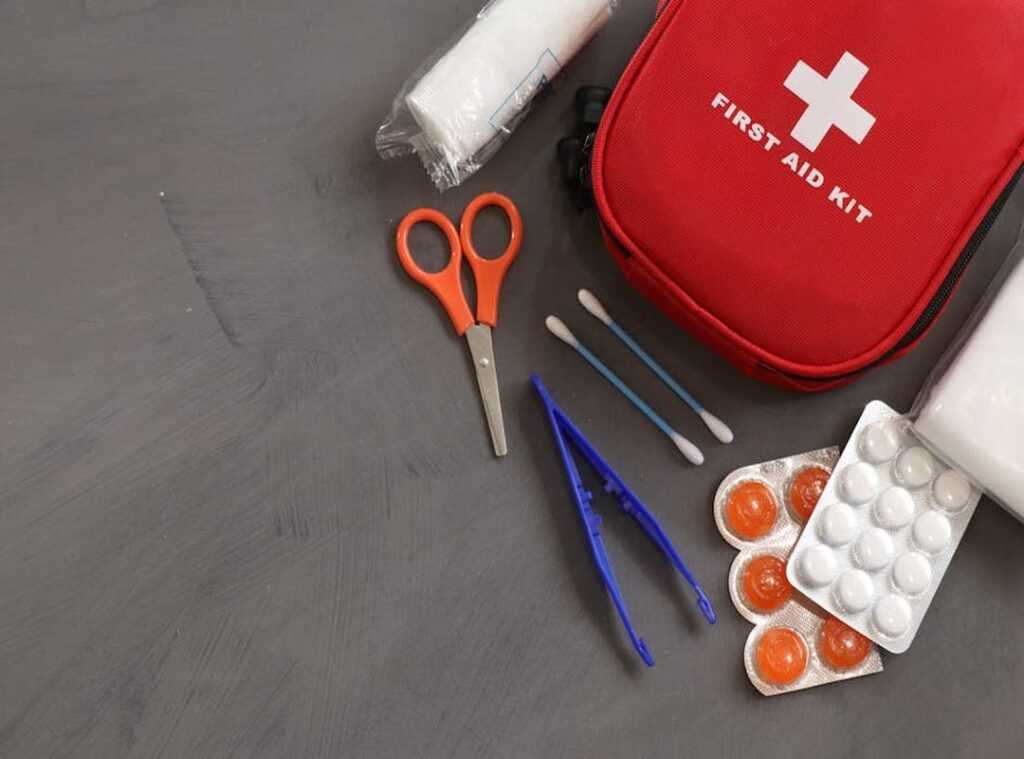
And when you’re patching up scratches from brambles or treating blisters, don’t forget about Wilderness First Aid Techniques. It’s all part of the survival tactics extreme lifestyle. Fast-paced and unyielding.
Can you handle it?
Calculated Risk: The Art of Self-Rescue and Navigation
Self-rescue in the wild flips the script on that old “stay put” rule. Sometimes, it’s your only shot. Imagine you’re not getting found anytime soon, or danger’s licking at your heels.

Maybe you know the path to safety like the back of your hand. That’s when you move.
Navigating without a compass is tricky but doable. You can use shadow sticks to track the sun’s movement. At night, stars are your guides.
Polaris in the north or the Southern Cross down south can keep you on track. Water flows downhill, and vegetation often hints at water sources. These clues steer you right when technology fails.
But let’s talk signaling too. Fire’s great, sure, but there’s more to it. A signal mirror can catch a rescuer’s eye from miles away.
In extreme survival situations, every detail counts. You can’t afford to ignore the details of these tactics. It’s like the real-life version of strategizing in games.
Ground-to-air signals are key. A giant “V” screams help, while an “X” signals medical needs. High-contrast materials make them pop against the space.
Remember the debate over survival techniques in 51124902? This is that, but with real stakes.
Survival is about calculated risks. You weigh options, decide fast, and act. That’s what makes it extreme.
Not everyone can do it. But when you learn, you never forget. These survival tactics extreme give you the edge you need when it matters most.
Field-Expedient Medicine: Tough Lessons for Tough Times
When you’re out there with no help, every move counts. Let’s face it: severe bleeding is a nightmare. I once had to improvise a tourniquet using a torn shirt and a stick.
It worked, but barely. Direct pressure is your best friend. Press hard and don’t let up.
Now, infections. They’re sneaky and can ruin you. Clean wounds with purified water.
If you’re desperate, natural antiseptics like sphagnum moss or pine sap can help (but don’t rely on them). It’s risky, but sometimes risks are survival tactics extreme.
Fractures are another beast. You need to immobilize. Sticks and cordage or even clothing make decent splints.
I learned that the hard way when I broke my arm in the middle of nowhere.
Pro tip: always carry something that can be used for splints. You never know when it might save your skin.
Master the Wild with Grit
Survival isn’t about fancy gear; it’s about resilience and adaptability. The wild is merciless. When basic knowledge falls short, you need a mindset that’s as tough as the terrain.
These survival tactics extreme were forged in harsh environments, prioritizing mental control and fierce problem-solving. But don’t just read. Practice these skills safely.
Navigation, mindset control (make) them instinct before it truly matters. Ready to face the wilderness? Find your confidence before Mother Nature throws you a curveball.
Visit lescohid.com for the takeaways you need. Equip yourself mentally. Don’t wait until you’re caught off guard.
 Ask Kaelric Quenvale how they got into wilderness skills and survival tactics and you'll probably get a longer answer than you expected. The short version: Kaelric started doing it, got genuinely hooked, and at some point realized they had accumulated enough hard-won knowledge that it would be a waste not to share it. So they started writing.
What makes Kaelric worth reading is that they skips the obvious stuff. Nobody needs another surface-level take on Wilderness Skills and Survival Tactics, Frontier Findings, Hid Terrain Expedition Techniques. What readers actually want is the nuance — the part that only becomes clear after you've made a few mistakes and figured out why. That's the territory Kaelric operates in. The writing is direct, occasionally blunt, and always built around what's actually true rather than what sounds good in an article. They has little patience for filler, which means they's pieces tend to be denser with real information than the average post on the same subject.
Kaelric doesn't write to impress anyone. They writes because they has things to say that they genuinely thinks people should hear. That motivation — basic as it sounds — produces something noticeably different from content written for clicks or word count. Readers pick up on it. The comments on Kaelric's work tend to reflect that.
Ask Kaelric Quenvale how they got into wilderness skills and survival tactics and you'll probably get a longer answer than you expected. The short version: Kaelric started doing it, got genuinely hooked, and at some point realized they had accumulated enough hard-won knowledge that it would be a waste not to share it. So they started writing.
What makes Kaelric worth reading is that they skips the obvious stuff. Nobody needs another surface-level take on Wilderness Skills and Survival Tactics, Frontier Findings, Hid Terrain Expedition Techniques. What readers actually want is the nuance — the part that only becomes clear after you've made a few mistakes and figured out why. That's the territory Kaelric operates in. The writing is direct, occasionally blunt, and always built around what's actually true rather than what sounds good in an article. They has little patience for filler, which means they's pieces tend to be denser with real information than the average post on the same subject.
Kaelric doesn't write to impress anyone. They writes because they has things to say that they genuinely thinks people should hear. That motivation — basic as it sounds — produces something noticeably different from content written for clicks or word count. Readers pick up on it. The comments on Kaelric's work tend to reflect that.