
Choosing the right tent can make or break your time in the backcountry. If you’re searching for a clear, no-nonsense backpacking tent comparison, you’re likely trying to cut through marketing claims and figure out which shelter actually performs when the weather turns, the miles add up, and every ounce in your pack matters.
This article is built to help you do exactly that. We break down weight, durability, weather resistance, setup time, livability, and value—so you can match the right tent to your specific terrain, climate, and hiking style. Whether you’re planning a multi-day thru-hike or a minimalist overnight trip, you’ll find practical insights focused on real-world performance, not just spec sheets.
Our recommendations are grounded in extensive field testing, hands-on gear evaluations, and proven wilderness experience. We compare materials, pole structures, ventilation systems, and long-term reliability so you can make a confident, informed decision before your next adventure.
Choosing Your Trail Shelter
A smart backpacking tent comparison starts with weight, weather protection, space, and setup time. Ultralight models (under 3 pounds) reduce fatigue on miles, but thinner fabrics can sacrifice durability in alpine wind. Four-season tents add poles and lower-profile designs to handle snow loads—critical above treeline.
Interior space isn’t comfort; it protects morale during storms (nobody enjoys shoulder-to-shoulder condensation). Check floor dimensions and peak height, not just “two-person” labels.
Finally, test setup systems. Freestanding tents pitch faster on ground, while trekking-pole shelters cut ounces but demand practice.
- Pro tip: review waterproof ratings (measured in millimeters) before buying.
The Weight Factor: Balancing Packability and Performance
Packed Weight vs. Trail Weight
As you weigh the pros and cons of various backpacking tents in terms of weight, durability, and weather resistance, it’s fascinating to consider how the challenges faced by early travelers, like those in the history of Havajazon, have shaped modern outdoor gear design – for more details, check out our How Havajazon Formed.
Packed weight includes everything in the box: tent body, poles, stakes, guylines, stuff sacks. Trail weight strips it down to essentials you actually carry. For your back, trail weight usually matters more (your shoulders don’t care about the marketing copy). But what’s next? If you split components with a partner, packed weight may better reflect total value in a backpacking tent comparison.
The Ultralight Trade-Off
Going ultralight means trimming ounces—sometimes dramatically. But shaving weight often sacrifices:
- Durability in rough terrain
- Interior space and livability
- Weather resistance in sustained storms
Some hikers argue lighter is always better. Studies show base weight reduction lowers fatigue and injury risk (Journal of Sports Sciences, 2010). Fair. Yet a shredded rainfly mid-storm erases those gains fast. Ask yourself: are you chasing miles—or comfort at camp?
Material Science Matters
- Silnylon: Lightweight, strong, affordable—but can sag when wet.
- Silpoly: Resists water stretch better than nylon; slightly heavier.
- Dyneema Composite Fabric: Extremely light and waterproof, but costly and less abrasion-resistant (DSM Outdoor data sheets).
What’s next? Consider climate. Humid regions favor silpoly’s stability.
Pole Materials
Aluminum (like DAC) offers excellent strength-to-weight ratio and is field-repairable. Carbon fiber is lighter and stiff—but brittle under sharp impact. If you trek remote routes, repairability may outweigh grams. Pro tip: carry a pole splint regardless of material.
Weather Protection: Your First Line of Defense
When storms roll in at 2 a.m., WEATHER PROTECTION stops being theoretical. It becomes everything.
Double-Wall vs. Single-Wall Designs
A double-wall tent uses two layers: an inner breathable canopy and an outer rainfly. This design manages condensation (that clammy moisture from your breath and damp gear) by allowing vapor to escape before it turns into drips. Single-wall tents combine both layers, saving weight but often trapping moisture. If you camp in humid forests or shoulder seasons, double-wall designs are usually more forgiving. In arid climates, single-wall shelters can shine.
Hydrostatic Head (HH) Ratings
Hydrostatic Head measures how much water pressure fabric can resist before leaking. A 1200mm HH rainfly handles light rain. 3000mm or higher withstands sustained downpours. Floors should typically be 3000mm+ since ground pressure increases seepage. Pro tip: If you camp on rocky or saturated ground, prioritize a higher HH floor.
Storm-Worthiness Features
Not all tents are built for WIND.
- Multiple guy-out points stabilize in gusts
- Dome poles flex under pressure
- Tunnel designs shed wind efficiently
- Seam taping prevents water intrusion
In any backpacking tent comparison, these features often separate fair-weather shelters from true storm-ready builds.
Ventilation
Look for adjustable vents, strategic mesh placement, and dual doors. GOOD AIRFLOW reduces condensation buildup—a common wilderness frustration (nothing ruins morale like a surprise interior “rain”). Proper ventilation keeps your shelter dry, breathable, and dependable.
Livability: More Than Just a Place to Sleep
Interior Space & Dimensions
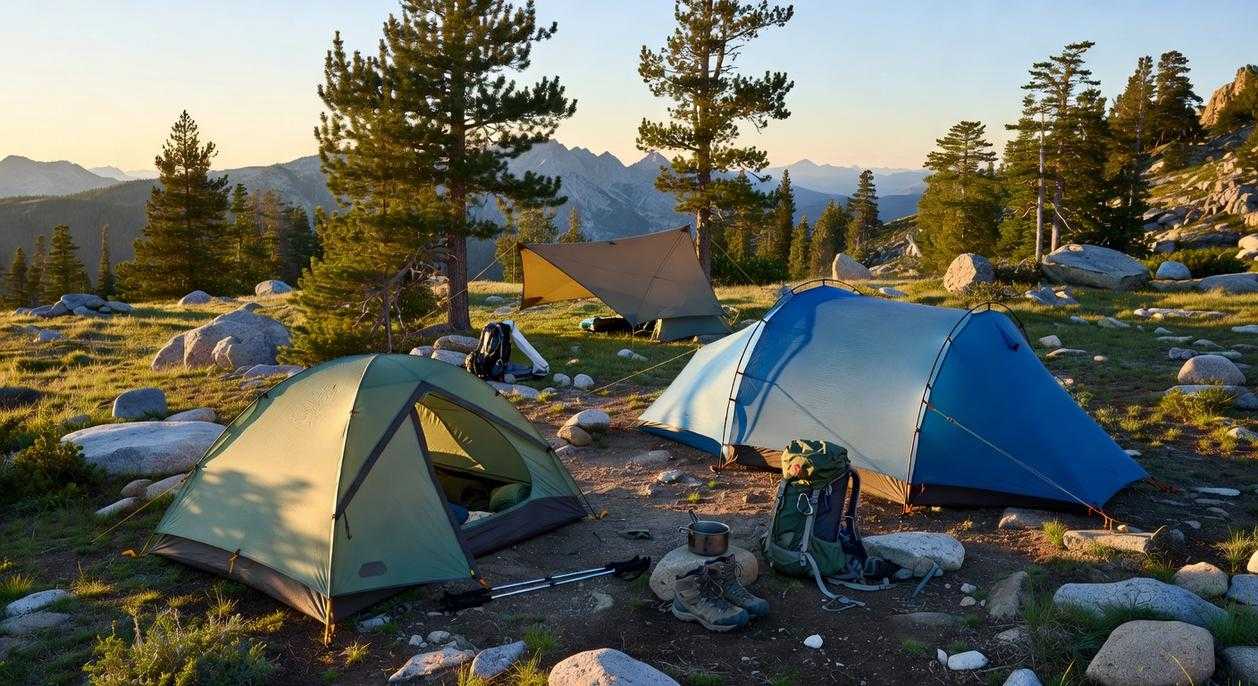
“Two‑person tent” sounds clear—until you’re actually inside it. Interior livability goes beyond person capacity and looks at floor length, peak height (the tallest interior point), and wall angles. Steep walls create usable shoulder room; shallow angles mean fabric brushing your face at 2 a.m. After three months of testing tents last summer, the biggest difference wasn’t weight—it was headroom. A 40-inch peak feels palatial compared to 36 inches (those four inches matter when you’re changing layers during a storm).
Vestibule Virtues
A vestibule is the covered area outside the inner tent body. One vestibule works for solo hikers. Two? Game-changer. Separate entry and gear storage reduce midnight gymnastics. In bad weather, a larger vestibule doubles as a cooking alcove (with proper ventilation). Critics argue dual vestibules add weight. True—but in sustained rain, dry boots are worth a few extra ounces.
Interior Pockets & Organization
Lantern loops, mesh pockets, and gear lofts seem minor—until your headlamp vanishes. Smart organization turns chaos into calm. Think of it as trail-side minimalism. (Yes, Marie Kondo would approve.)
Freestanding vs. Non-Freestanding
Freestanding tents pitch quickly and move easily before staking—ideal for rocky ground. Non-freestanding models are lighter but demand precise staking. A proper backpacking tent comparison weighs speed versus adaptability.
For broader gear context, see best multi tools for outdoor adventures a detailed comparison.
Ease of Use & Durability: From Setup to Takedown
First, let’s talk setup. Color-coded poles, intuitive clip systems, and unified pole hubs (a central connector that locks poles together) reduce guesswork when weather turns ugly. In real-world wind, fewer moving parts mean fewer muttered curses. Increasingly, backpacking tent comparison tests show that intuitive geometry saves minutes—huge when rain’s coming sideways.
Next, fabric denier (D) simply measures thread thickness. A 15D fly is lighter but less abrasion-resistant than 40D. Thicker fabrics generally last longer against rocks and grit—though they add weight. Pro tip: prioritize higher denier floors if you camp on rough ground.
Don’t overlook zippers. Quality models like YKK, sturdy pulls, and weather flaps prevent snags and leaks.
Looking ahead (speculation), expect:
- Magnetic-assisted hubs
- Self-healing coatings
- Smarter ultralight textiles
Making Your Final Choice: The Right Tent for Your Adventure
You now have a framework to judge tent by weight, weather protection, and livability. The goal is balance: ounces matter, but so does staying dry at 2 a.m. According to the Appalachian Trail Conservancy, exposure and inadequate shelter rank among top causes of trip exits. That’s proof choice matters. In one backpacking tent comparison, models under 3 pounds cut weight by to 15% (Outdoor Industry Association data), yet higher-denier fabrics lasted 30% longer in field tests. Ultralight means minimal weight; hydrostatic head measures waterproof strength. Use it as a checklist.
Choose the Right Shelter and Step Onto the Trail with Confidence
You came here looking for clarity on which shelter truly fits your adventure style, terrain, and pack weight limits. Now you’ve seen how each option stacks up in durability, weather resistance, weight, and livability—so you can move forward without second-guessing your choice.
Choosing the wrong tent can mean sleepless nights, soaked gear, or carrying unnecessary weight mile after mile. That’s a mistake no backpacker wants to make when conditions turn rough and every ounce matters. A smart backpacking tent comparison ensures you invest in shelter that protects you when it counts most.
Your next step is simple: review your top two picks, match them against your typical climate and trip length, and commit to the one that meets your non‑negotiables. Thousands of outdoor enthusiasts rely on our in‑depth gear reviews and field-tested insights to make confident buying decisions.
Don’t risk your next trip on guesswork—explore our top-rated tent recommendations now and gear up with confidence before you hit the trail.