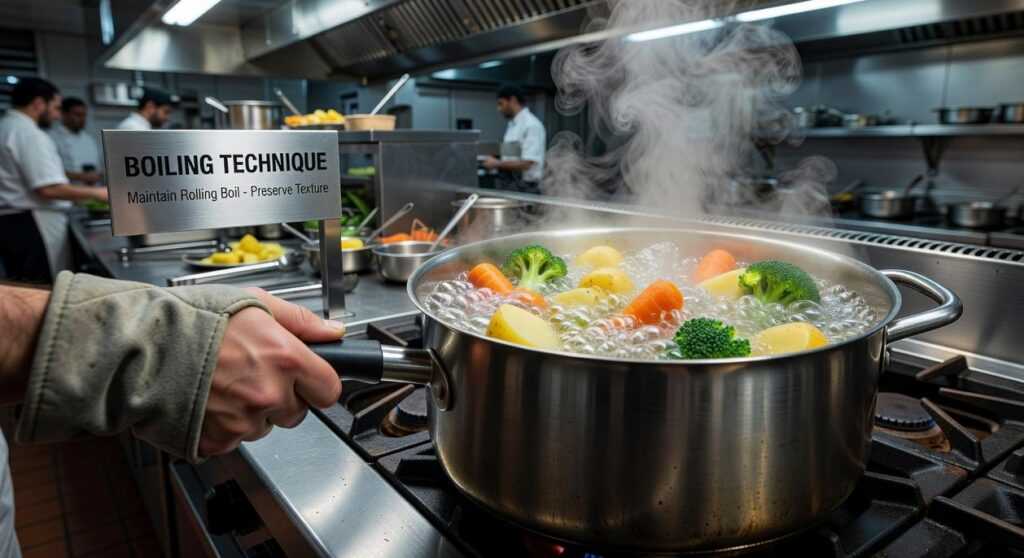
When you’re deep in the backcountry, finding a clear stream is only half the battle—knowing how to make that water safe is what truly matters. If you’re searching for reliable, field-tested guidance on wilderness water purification, this article is built to give you exactly that. We break down the most effective purification methods used in real-world survival scenarios, compare filtration systems, chemical treatments, and boiling techniques, and explain when each option makes the most sense on the trail.
Backed by extensive field research, hands-on gear testing, and insights drawn from seasoned outdoor professionals, this guide focuses on practical, proven strategies—not theory. Whether you’re preparing for multi-day treks, emergency situations, or remote expeditions, you’ll learn how to assess water sources, reduce contamination risks, and choose purification tools you can depend on when conditions are unpredictable. Your safety in the wild starts with the water you drink.
Crystal-clear streams look harmless. They aren’t.
Clear vs. Safe
• Fast-moving mountain water can still contain Giardia and Cryptosporidium—microscopic parasites that cause severe diarrhea (CDC).
• Stagnant ponds often add bacteria like E. coli to the mix.
Some argue that high-elevation flow “filters itself.” Not quite. Wildlife upstream doesn’t file sanitation reports.
So how do methods compare?
Filters vs. Boiling
• Pump or gravity filters remove protozoa and most bacteria instantly.
• Boiling kills viruses too, but costs fuel and time.
Chemical tablets are lighter, slower, and leave taste.
Pro tip: Combine filtration with chemicals in high-risk zones.
Always prioritize wilderness water purification methods.
Understanding the Enemy: What’s Really in the Water?
As you learn the essential techniques for finding and purifying water in the wild, you might also be fascinated by the remarkable ways in which animals adapt to survive in extreme environments, a topic beautifully explored in our article on unusual wildlife adaptations – for more details, check out our Unusual Wildlife Adaptations Found in Extreme Environments.
Crystal-clear water can still make you violently sick (yes, even that postcard-perfect alpine stream). The biggest culprits in North America are protozoa—microscopic parasites like Giardia and Cryptosporidium. Protozoa are single-celled organisms larger than bacteria, which makes them easier to filter out—but they cause intense gastrointestinal distress lasting days.
Then there’s bacteria, including E. coli and Salmonella. These enter water through animal or human waste. Smaller than protozoa, they can trigger severe cramps, fever, and dangerous infections if untreated.
• Protozoa: common, larger, filterable
• Bacteria: waste-borne, smaller, infection risk
• Viruses: tiniest, hardest to remove
Viruses like Hepatitis A and Norovirus are the smallest pathogens. They’re more common in high-traffic or developing regions, and most standard filters won’t remove them.
The takeaway? Visual clarity means nothing. Effective wilderness water purification targets specific threats—so match your method to the risk.
Mechanical Filters vs. UV Purifiers: Which Is the Gold Standard?
When it comes to wilderness water purification, two tools dominate the conversation: mechanical hollow-fiber filters and ultraviolet (UV) light purifiers. Both are highly effective—but they solve different problems.
First, mechanical filtration. Modern hollow-fiber filters like the Sawyer Squeeze and Katadyn BeFree use bundles of tiny tubes with microscopic pores. Water passes through, but harmful organisms cannot. The key specification to look for is a 0.2-micron (or smaller) pore size. A micron is one-millionth of a meter; at 0.2 microns, protozoa like Giardia and bacteria such as E. coli are physically blocked (CDC confirms these sizes are sufficient for bacteria and protozoa removal).
Pros: lightweight, fast-flowing, long-lasting, and they preserve water’s natural taste.
Cons: they can clog in silty water, crack if frozen (a hidden backcountry hazard), and they do not remove viruses.
On the other hand, UV purifiers like the SteriPEN take a technological approach. Instead of removing microbes, UV light scrambles their DNA, rendering them unable to reproduce (EPA recognizes UV as effective against viruses, bacteria, and protozoa).
Pros: extremely fast—about 60–90 seconds per liter—and effective against viruses.
Cons: require batteries, won’t work well in cloudy water, and provide no residual protection.
So which wins? If you’re trekking in North American backcountry, a filter is often sufficient. Traveling internationally where viruses are a concern? UV may edge ahead. (Think analog reliability vs. sci-fi precision.)
Pro tip: In murky water, pre-filter through a bandana before using either system.
The Timeless Technique: How to Properly Boil Water
Boiling water sounds almost insultingly simple (it’s water—how hard could it be?). Yet in survival contexts, PRECISION matters.
The Process
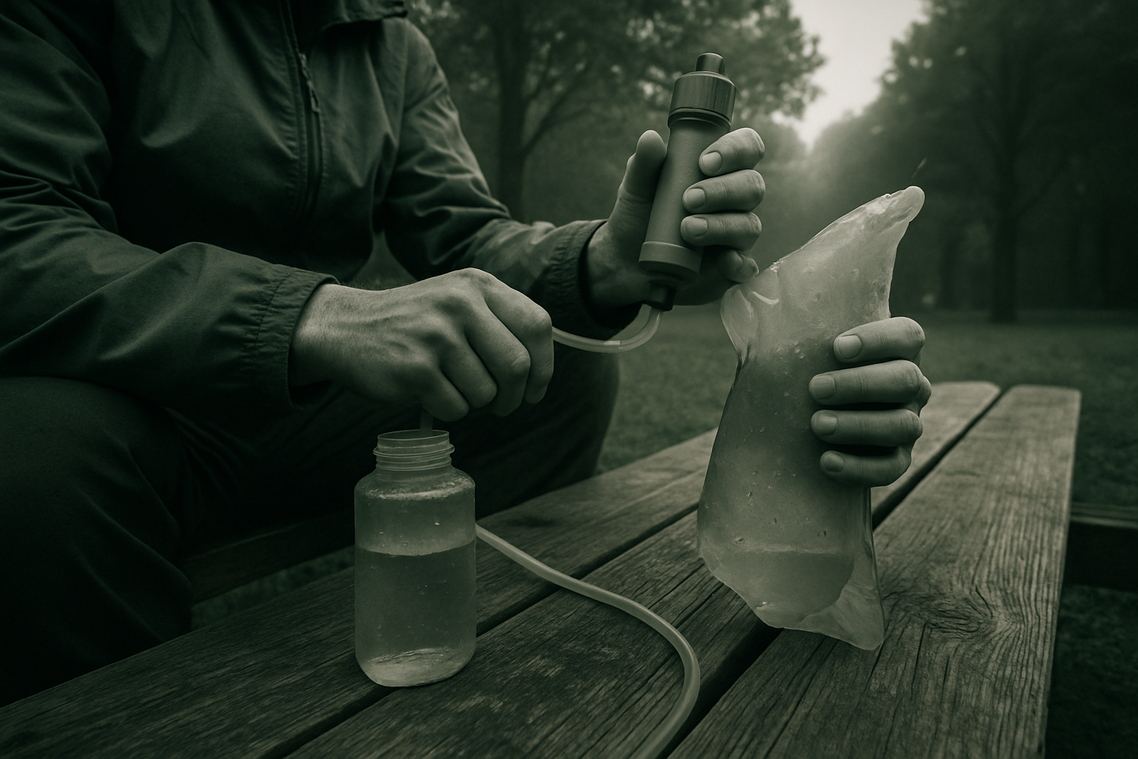
Fill a pot with clear water, set it over heat, and bring it to a full, rolling boil—where large bubbles continuously break the surface. Once achieved, maintain that boil for one full minute. At elevations above 6,500 feet (2,000 meters), extend this to three minutes, per CDC guidance, because water boils at lower temperatures higher up (CDC, 2023).
Boiling is considered the gold standard of wilderness water purification because it kills all major pathogens: protozoa like Giardia, bacteria such as E. coli, and viruses.
Pros:
- 100% effective against pathogens
- No specialized gear beyond a pot and heat source
Cons:
- Time- and fuel-intensive
- Doesn’t remove sediment or chemicals
- Must cool before drinking
Some argue filters are faster—and they are—but boiling remains the most FAIL-SAFE method. Pair this skill with https://lescohid.com/basic-trapping-techniques-for-short-term-survival/ for broader resilience in the field.
Chemical Treatments: Your Lightweight Backup Plan
I learned to respect chemical tablets after a shoulder-season hike when my filter cracked on day two (cold plastic snaps fast). Chemical treatments—iodine or chlorine dioxide—kill microorganisms over time, making them a reliable backup for wilderness water purification.
Here’s how they compare:
- Chlorine Dioxide (e.g., Aquamira): Kills bacteria and viruses quickly and, with longer wait times (up to 4 hours), neutralizes Cryptosporidium—a parasite resistant to many methods (CDC). The taste is milder.
- Iodine: Effective against most bacteria and viruses but weaker against Crypto. It leaves a distinct flavor and isn’t ideal for long-term use, pregnant individuals, or those with thyroid conditions.
Pros:
- Ultralight and compact
- Simple drop-or-tablet dosing
Cons:
- Wait times from 30 minutes to 4 hours
- Chemical taste
- Reduced effectiveness in cold or murky water
Pro tip: warm the bottle in your jacket to improve reaction time.
Last spring, halfway through a thru-hike, my squeeze filter clogged at mile fifty, and I learned fast that matching gear to mission matters. A solo thru-hiker needs a lightweight squeeze filter—fast flow rate (how quickly water passes through) and minimal ounces in the pack.
Meanwhile, group camping shifts priorities. Because you’re treating gallons, a gravity filter or boiling big pots is simply more efficient.
For international travel, however, viruses enter the equation. Use UV or filters rated for viruses for true wilderness water purification.
The universal rule? Always carry backup chemicals. Pro tip: iodine tablets weigh almost nothing. Trust me.
Safe hydration isn’t optional; it’s survival. A single sip of untreated stream water can deliver Giardia, E. coli, or norovirus—trip-ending souvenirs you don’t want (trust me). Keep the hierarchy simple:
- Filtration or UV for daily convenience and speed.
- Boiling for absolute certainty when you have time and fuel.
- Chemical treatments as a lightweight backup.
Some argue clear mountain water is “probably fine.” Probably isn’t a plan. Modern wilderness water purification tools make treatment fast—often under a minute. My recommendation: choose one primary method, pack a backup, and rehearse using both. Make water treatment automatic, like buckling a seatbelt, every outing.
Mastering Wilderness Water Safety Starts Now
You set out to learn how to secure safe drinking water in the wild—and now you understand the risks, the filtration methods that work, and the tools that won’t fail when it matters most. From boiling and chemical treatments to filtration systems and UV purifiers, you’ve seen how wilderness water purification can mean the difference between a successful trek and a survival emergency.
The reality is harsh: one bad water source can end your trip fast. Dehydration, bacteria, and parasites don’t give second chances. When you’re deep in the backcountry, there’s no pharmacy, no rescue truck waiting nearby—only the preparation you brought with you.
Now it’s time to act. Upgrade your kit, practice your purification methods before your next outing, and make safe hydration part of your standard trail routine. Thousands of serious outdoorsmen rely on proven purification systems and field-tested techniques to stay safe—don’t leave your health to luck.
Get equipped, get trained, and make your next adventure safer from the first step to the final mile.