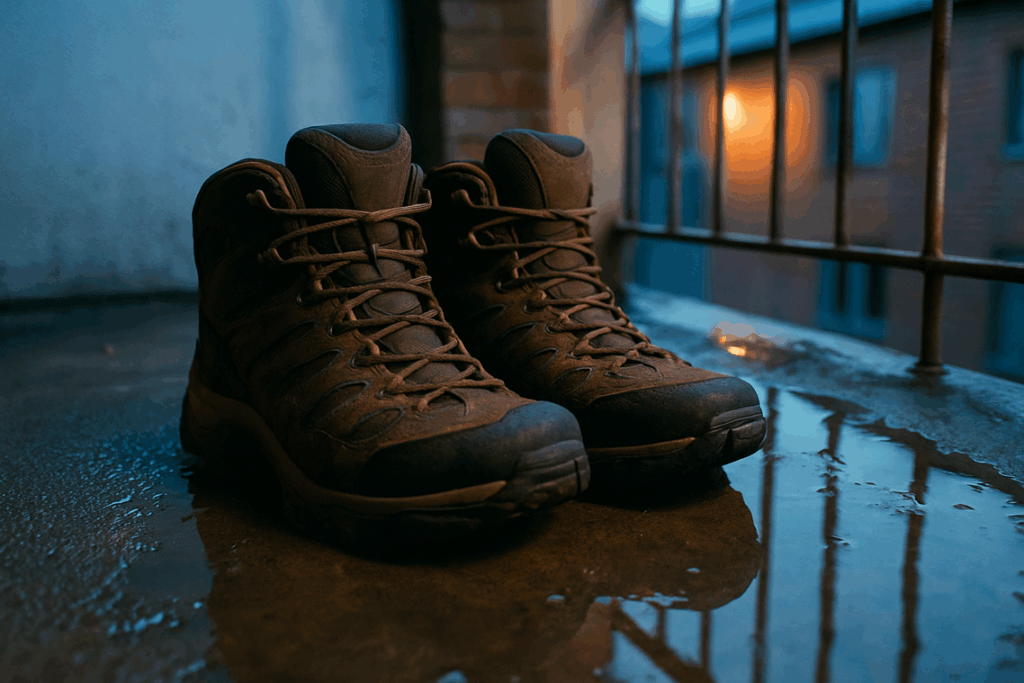
Choosing between hiking boots vs trail runners can feel overwhelming, especially when the terrain, weather, and pack weight all influence what’s best for your trip. If you’re planning a backcountry adventure or upgrading your current footwear, you’re likely looking for clear, experience-backed guidance—not marketing hype.
This article breaks down the real-world differences in support, durability, traction, weight, and long-distance comfort so you can decide what fits your hiking style. Whether you’re tackling rugged alpine routes, muddy forest trails, or fast-and-light day hikes, we’ll explain how each option performs where it matters most.
Our insights are grounded in extensive field testing across varied terrain and informed by seasoned backcountry hikers who rely on their gear in demanding conditions. By the end, you’ll understand the strengths, trade-offs, and ideal use cases of each—so you can step onto the trail confident you’ve made the right call.
Every outdoor enthusiast faces the same dilemma: what goes on your feet when the trail turns unpredictable. After three months of testing across alpine scree, muddy forests, and desert flats, one truth stands out—footwear shapes the entire experience. This guide delivers a clear comparison of hiking boots vs trail runners, breaking down terrain, load weight, and hiking style.
Why it matters? The right choice boosts comfort, reduces injury risk, and sharpens performance; the wrong one can wreck a long-planned trek.
• Rocky, technical routes demand stability.
• Long-distance, fast-paced hikes reward agility.
Choose wisely; your adventure depends on it completely.
Traditional hiking boots earn their fortress nickname for a reason. High-cut collars and stiff midsoles cradle the ankle, reducing inversion injuries when you misstep on talus or hidden roots under a 40-pound pack. That rigidity distributes load across the foot, limiting fatigue over long, punishing miles.
Critics in the hiking boots vs trail runners debate argue lighter shoes build stronger ankles and move faster. Fair point—until you’re side-hilling on scree with a week of food.
Durability is the second pillar. Full-grain leather and reinforced synthetics resist abrasion from granite, deflect sharp sticks, and add a barrier against unexpected bites.
Waterproof membranes like Gore-Tex block external moisture while allowing vapor to escape, preserving warmth during creek crossings and cold rain. Skeptics say waterproofing traps sweat; in humid heat, they’re right. But in cold or persistently wet climates, dry feet mean fewer blisters and lower hypothermia risk, according to the CDC.
Choose boots for:
- Multi-day backpacking over 30-pound loads.
- Off-trail travel and mountaineering objectives.
- Cold, muddy, or consistently wet terrain.
When the ground turns hostile, a little armor is wisdom, not weakness. Consider them insurance for ankles you can’t easily replace. Especially when rescue is miles away and uncertain.
The Gazelle: Why Lightweight Trail Runners Change the Game
First, let’s talk energy. There’s an old backpacking adage: a pound on your feet equals five on your back. In other words, extra weight on your feet multiplies fatigue over miles. Lightweight trail runners trim that burden, helping you hike longer with less strain on hips and knees. Over a 15-mile day, that difference isn’t theoretical—it’s the difference between cruising into camp or limping the last mile.
Equally important, breathability is a game-changer. Most trail runners use mesh uppers that allow airflow, reducing sweat buildup and blister risk in hot conditions. And when streams or storms roll in, they follow the “drains well, dries fast” philosophy. Instead of staying soggy for hours, they shed water quickly—especially useful on routes like the AT or PCT.
Then there’s flexibility and ground feel. A more pliable sole lets your foot move naturally, improving balance and agility on uneven terrain. You feel the trail, adjust faster, and move with confidence (think nimble mountain goat, not clunky robot).
For day hiking, fastpacking, ultralight backpacking, and well-maintained trails, the debate of hiking boots vs trail runners often tilts toward speed, comfort, and efficiency. Pro tip: Pair them with quality merino socks to maximize comfort and blister prevention.
At a Glance: Boots vs. Runners Across Key Metrics
When comparing hiking boots vs trail runners, the differences show up fast—especially once you’re ten miles from the trailhead.
Weight: Boots typically weigh 2–4 pounds per pair, while runners average 1–2 pounds. That extra pound on your feet can feel like five on your back (fatigue compounds quickly over distance). So, lighter shoes often translate to better endurance and quicker recovery.
Support & Stability: Boots provide firm ankle support and torsional rigidity—meaning the shoe resists twisting on uneven ground. This helps when carrying heavy loads. In contrast, runners offer minimal ankle structure, encouraging natural foot strength and agility.
Durability: With thick midsoles and rugged uppers, boots can last hundreds of hard miles. Runners generally need replacing after 300–500 miles, but they trade longevity for flexibility and comfort.
Waterproofing: Boots often include waterproof membranes that block external moisture. However, breathable runners dry faster if soaked (and yes, waterproof runners can trap sweat).
Break-in Period: Boots require time to mold to your feet. Runners are usually comfortable right away.
Traction: Boot lugs dig deep into mud and scree, while runner tread patterns prioritize speed and grip across mixed terrain.
For broader gear comparisons, see backpacking tents compared weight durability and weather resistance.
Choosing between hiking boots vs trail runners starts with one question: what kind of adventure are you actually taking?
Match the Shoe to the Load
First, the Weekend Warrior. On established trails with a light daypack, trail runners typically weigh 1.5–2 pounds per pair, feature flexible midsoles, and breathable mesh uppers. That lower weight reduces fatigue over miles, and the sneaker-like feel means fewer blisters during short pushes.
Next, the Heavy Hauler. Carrying over 30-35 lbs shifts stress to ankles and arches. A hiking boot’s stiffer shank, collar, and toe cap distribute weight and guard against bruising. That structure isn’t flashy, but it can mean fewer rolled ankles by day three.
Then, consider the All-Weather Explorer. Waterproof membranes like Gore-Tex block moisture while allowing vapor to escape, keeping feet warmer in snow and mud. Dry socks, morale.
For the Injury-Prone Hiker, mid or high-cut designs add lateral stability around vulnerable joints. Think of it as a seatbelt for your ankles (Indiana Jones never had to rehab).
Finally, the hybrid: mid-height hiking shoes. They blend cushioning and ankle support, offering a compromise when terrain and pack weight sit in the middle. Pro tip: match outsole lug depth to trail conditions.
Choosing your next pair means weighing a real trade-off. Hiking boots prioritize protection and support, while trail runners prioritize speed and comfort. Neither is universally better; the right pick depends on your body mechanics, pack weight, and terrain. If you carry 35 pounds over rocky passes, ankle structure and underfoot stiffness matter. If you move fast on buffed-out trails, lighter shoes may reduce fatigue (yes, ounces add up).
Ask yourself:
- How heavy is my typical load?
- What surfaces do I hike most?
Before buying, try hiking boots vs trail runners on an incline ramp to feel toe room.
Choose the Right Footing for Your Next Adventure
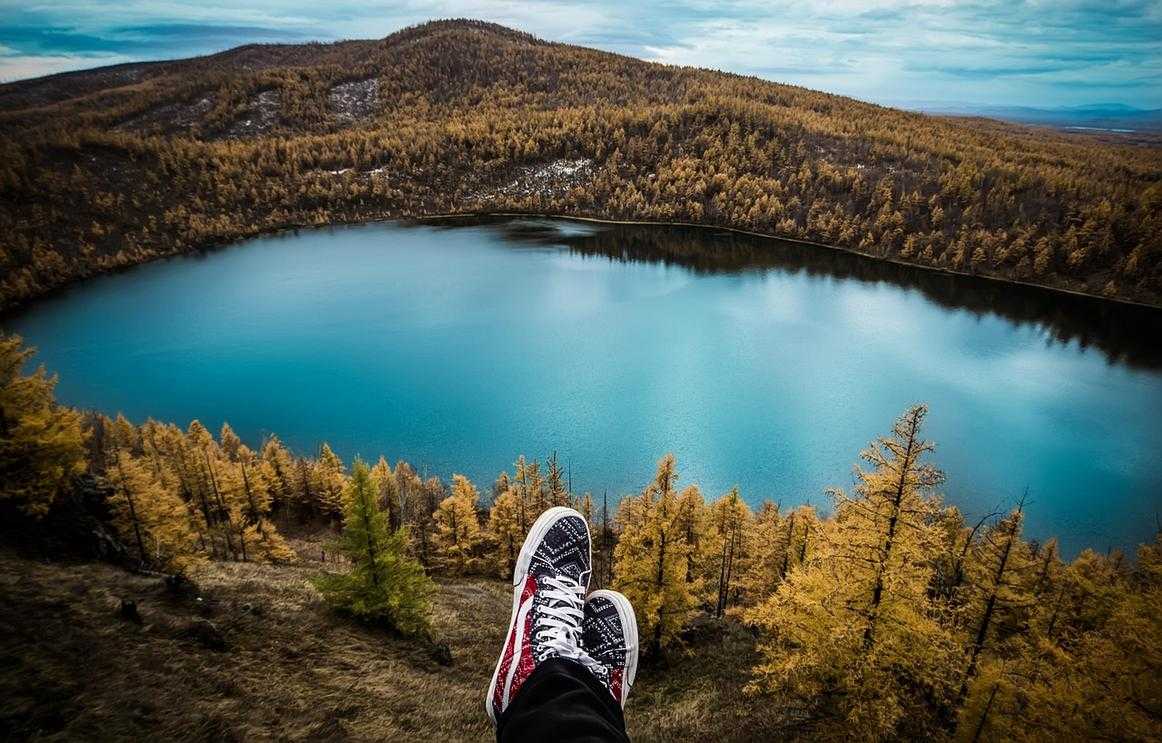
Ultimately, whether you choose hiking boots or trail runners for your long treks can greatly influence your experience exploring stunning landscapes like Lake Yiganlawi, where the right footwear can make all the difference in how you engage with the breathtaking surroundings – for more details, check out our How Does Lake Yiganlawi Look Like.
You set out to finally settle the debate around hiking boots vs trail runners, and now you have the clarity to choose with confidence. You understand how terrain, pack weight, weather, and trip length all impact what belongs on your feet.
Blisters, sore arches, and unstable footing can turn an incredible trip into a painful memory. The wrong footwear doesn’t just slow you down—it puts your entire adventure at risk. But the right choice supports every mile, every climb, and every descent.
Now it’s time to act. Assess your next trail, match it to your hiking style, and invest in footwear designed for your specific conditions. If you’re still unsure, explore our in-depth gear reviews and field-tested recommendations—trusted by thousands of outdoor enthusiasts who rely on proven insights before they hit the trail.
Your next hike deserves the right foundation. Lace up with confidence and make your next step your strongest one yet.