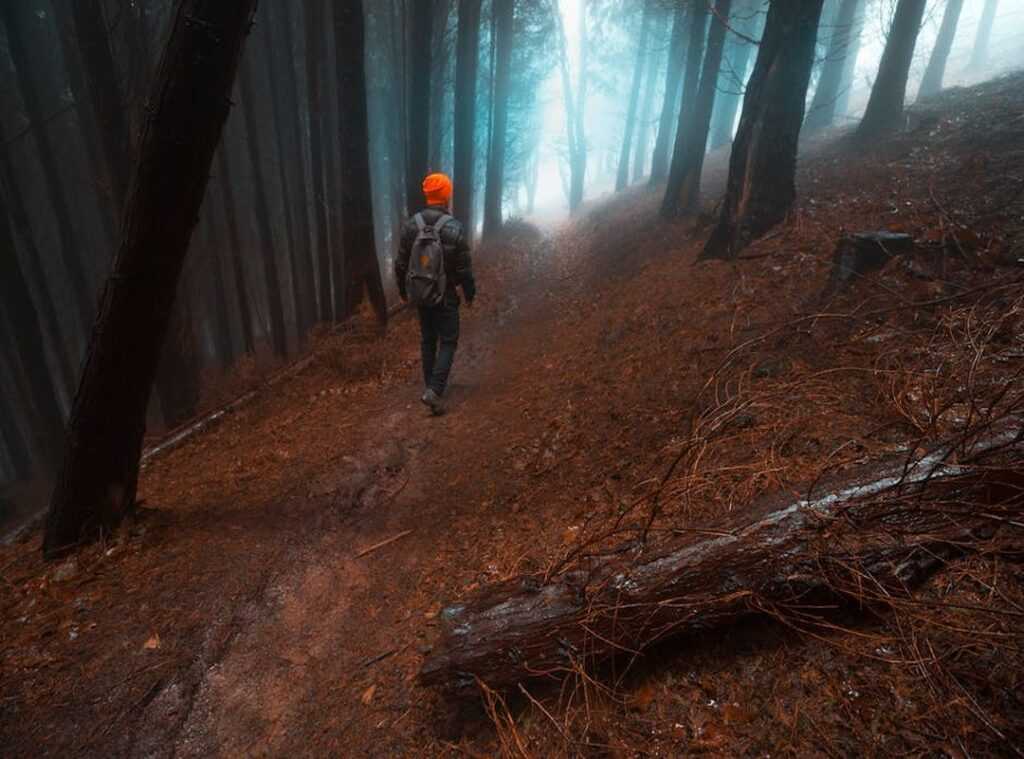
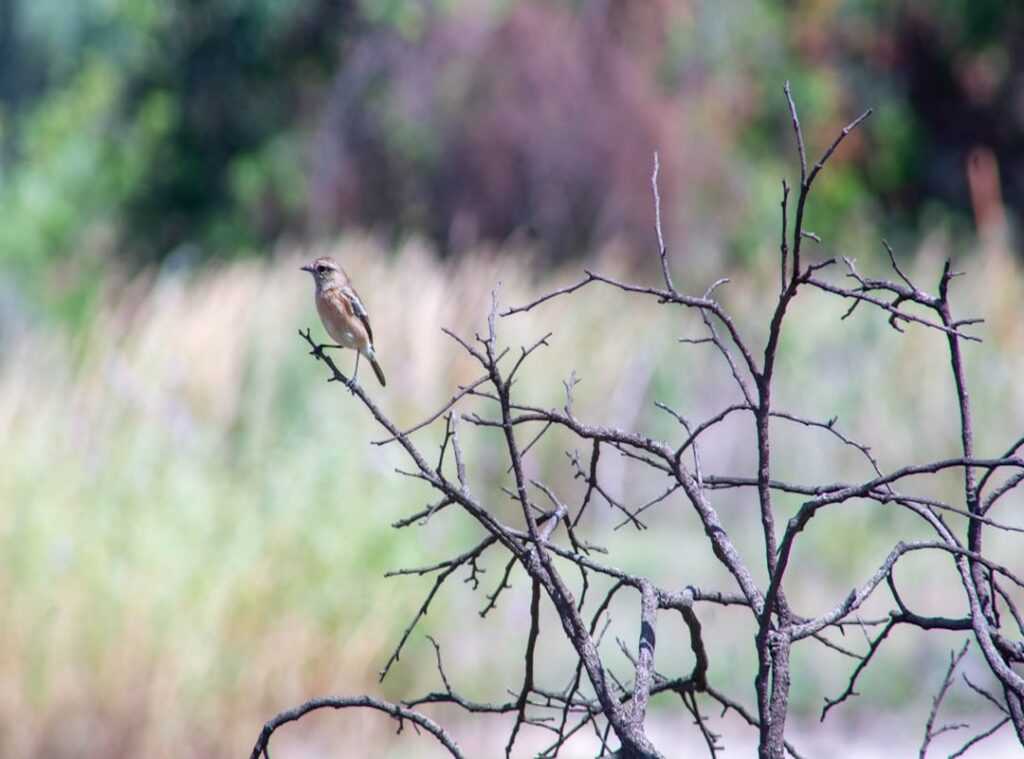
The forest goes quiet. You know that feeling, right? Suddenly, you’re aware you’re not alone, and the fear creeps in.
It’s natural to feel that way when facing unexpected wildlife encounters. But what if you could shift from panic to confidence? That’s exactly what we’re tackling today.
I’ve spent years in dense wildlife areas, learning not just to survive, but to manage these moments. These aren’t theories from a book; they’re hard-won lessons. You’ll learn a clear, actionable system for wildlife encounters handling.
By the end, you’ll move through the wilderness with respect and confidence. Ready to transform your approach?
The Proactive Mindset: Wilderness Coexistence Starts Here
True management of wildlife encounters handling begins long before you spot an animal. It’s not about having the upper hand; it’s about prevention. Most negative encounters?
Human errors. We’re talking leaving food out, sneaking up on creatures, or getting way too close. Let’s be honest, we humans can be predictable.
Ever tried risk forecasting? It’s not just a buzzword. Before you head out, research your destination.
Know the local wildlife, recent sightings, and seasonal behaviors. Is it mating season? Are they just waking from hibernation?
This knowledge isn’t just smart. It’s important.
Our goal isn’t to conquer nature; that’s outdated thinking. We’re here to integrate. By minimizing our impact, we don’t appear as threats or, worse, as food sources.
Sounds simple, right? Trust me, it takes practice and a mindset shift.
Picture this: Walking on Historical Trails Walking Through Time with full awareness of your surroundings. are you respecting the land, but you’re also part of a broader story. A story where you’re not the hero but a respectful guest.
So, next time you plan an expedition, remember this: Nature doesn’t need us. We need it. Be proactive.
Be wise. That’s the real adventure.
Situational Awareness: Sharpen Your Senses
Ever felt uneasy in the backcountry? That’s your innate sense of situational awareness kicking in. It’s the most key skill for navigating wild terrains.
Your senses are an early-warning system, and they’ll save your hide if you know what to look for.
Let’s break down ‘Environmental Cues’. Fresh tracks are like animal roadmaps. See deer tracks?
Expect them nearby. Find scat, especially fresh, and you’re in an active area. Territorial markings like claw marks on trees?
That’s a bold warning. It means, “I live here, tread carefully.” Kill sites are obvious indicators. Fresh blood, scattered fur.
You don’t linger there unless you’re ready for a wildlife encounter. These signs tell you who’s around and how close they might be.
Decoding Body Language
Animals talk, just not like us. A deer with swiveling ears is relaxed. But if its body stiffens, nostrils flare, and it starts stomping, it’s on high alert.
That’s your cue to back off slowly. Bears stand their ground. They’ll huff, paw the ground, and maybe bluff charge.
Stand firm, speak calm (don’t run). Coyotes, on the other hand, might circle. Always face them, arms wide, make yourself larger.
Trust me, reading this language saves you from unwanted wildlife encounters handling.
Sound discipline matters too. Move slowly to hear the forest speak. But in blind spots or dense brush, make noise.
Talk, clap, even sing. Let them know you’re coming. Blindly stumbling upon wildlife isn’t the surprise you want.
The De-escalation Toolkit: Handle Wildlife Encounters Right
Wildlife encounters handling isn’t about who wins (it’s) about walking away unscathed. You might think predators are the big threat, but it’s really the large herbivores like moose and bison that often cause trouble. They’re territorial with a capital T.
It’s key to stop moving first.
Take a deep breath, assess the scene. Is the animal curious, or does it have young nearby? That’s a game-changer.
Speak slowly, in a low voice. Don’t sound like a chipmunk on helium. Make yourself look bigger.
It’s not about aggression, it’s about presence. Raise your jacket, hold your arms up.
But don’t you dare turn your back. Ever. Slowly back away.
Keep an eye on escape routes, both yours and theirs. A bull in rut is no joke, just like that time you stumbled upon a hidden waterfalls quest natures wonders.
Space is your best friend. Actually, it’s your only friend here. Give them room.
Lots of it. An enormous amount of space is your primary goal. Why invite disaster when patience works?
No one wants to be the fool who learned the hard way. So, next time you find yourself face-to-face with nature, remember the steps. Stay cool, stay safe.
On the Edge: Managing Apex Predator Encounters
You know that heart-stopping moment when you’re face-to-face with a bear or mountain lion? It’s terrifying. But let’s break it down into something manageable.
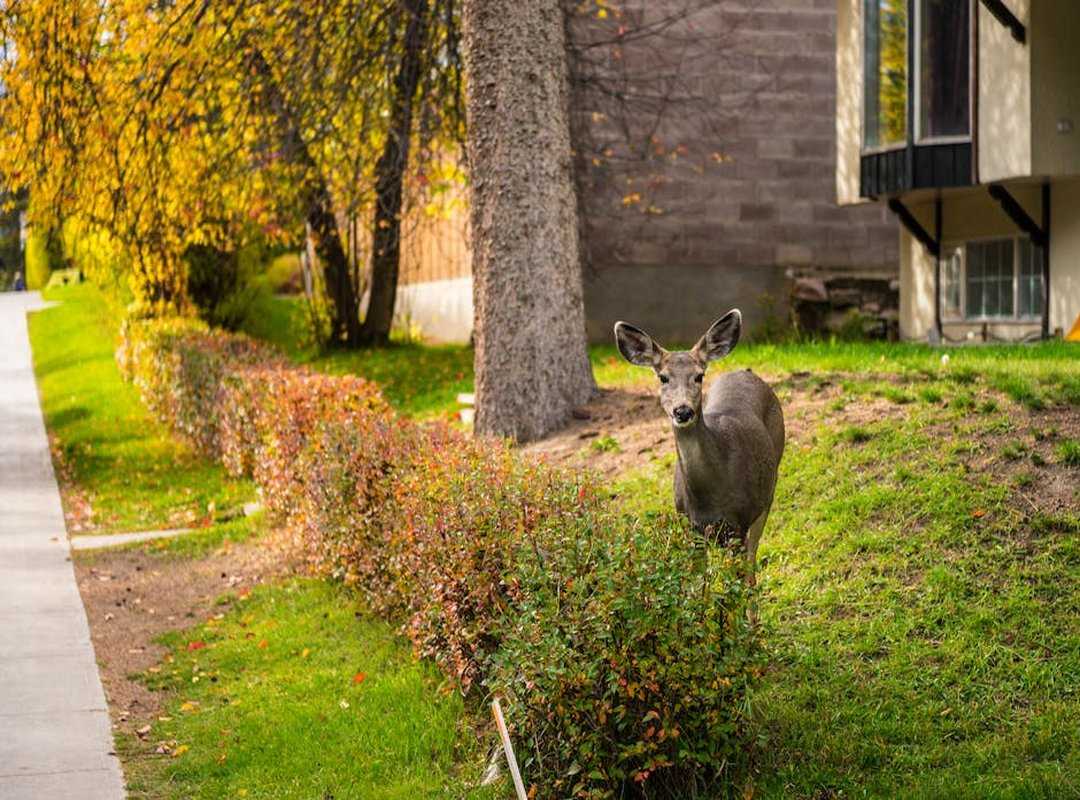
Tier 1: Deterrence. It’s all about prevention here. Walk in groups, make noise, and avoid those risky dawn or dusk hours.
If a bear or mountain lion can’t hear you coming, it’s not good for either of you. Ever notice how horror movies always start with the lone hiker? Exactly.
Tier 2: The Encounter. This is where things get real. With bears, don’t run.
Stand your ground, appear large, and use a calm voice. For mountain lions: make eye contact and act assertive. Never crouch.
Never run. That’s just asking for trouble. Need more tips handling wildlife encounters lions and?
Well, there you go.
Tier 3: The Attack. Worst-case scenario. For a grizzly, play dead.
Protect your neck and vitals. It’s a last resort, but it’s key. For black bears or mountain lions, fight back fiercely.
Aim for the eyes and face. Remember, bear spray is your best friend. Know how to use it.
Seriously, practice.
Wildlife encounters handling isn’t for the faint-hearted. But with the right mindset and preparation, you can face them with confidence. Nature doesn’t mess around, and neither should you.
Campsite Stealth: Safe and Dull
Who wants an exciting campsite at night? Nobody. Wildlife encounters handling is no joke, and keeping your camp boring is key.
You’ve got to set up a “Bearmuda Triangle” or “Working Triangle” layout. Sounds fancy, right? It’s simple: sleep area, cooking area, and food storage must be 100 yards apart.
Keep the sleeping spot upwind (bears love a good sniff).
But it’s not just about distance; it’s about how you store things. Sure, a bear canister works, but sometimes you need a proper PCT-style bear hang. The trick?
Hang it high (12 feet off the ground) and far from tree trunks. Bears are clever climbers, so don’t make it easy.
Odors matter. Stick to simple meals and clean up immediately (far) from camp. Once you’re done, stash cooking clothes with your food, not in your tent.
Keep the smells away from where you sleep.
Pro tip: think like a bear. If you can smell it, so can they. Cooking that elaborate meal might sound fun, but the critters think so too.
Keep it simple and low-key. Want a peaceful night’s sleep? Make your camp as dull as dry toast.
Take Control of the Wild
Feeling anxious about wildlife encounters? I get it. But fear not.
With the right approach, you can replace that anxiety with confidence. This guide is your tool for mastering wildlife encounters handling. It’s not just about survival; it’s about thriving in the wild.
Knowledge and respect are your best allies out there.
Now, what’s next? You should put these skills to the test on your next adventure. Spot those animal signs.
Assess the space. Prove to yourself that you’re more than up for the challenge. Sure, it’s a wild world, but you’re ready.
Start practicing today.
 Ask Kaelric Quenvale how they got into wilderness skills and survival tactics and you'll probably get a longer answer than you expected. The short version: Kaelric started doing it, got genuinely hooked, and at some point realized they had accumulated enough hard-won knowledge that it would be a waste not to share it. So they started writing.
What makes Kaelric worth reading is that they skips the obvious stuff. Nobody needs another surface-level take on Wilderness Skills and Survival Tactics, Frontier Findings, Hid Terrain Expedition Techniques. What readers actually want is the nuance — the part that only becomes clear after you've made a few mistakes and figured out why. That's the territory Kaelric operates in. The writing is direct, occasionally blunt, and always built around what's actually true rather than what sounds good in an article. They has little patience for filler, which means they's pieces tend to be denser with real information than the average post on the same subject.
Kaelric doesn't write to impress anyone. They writes because they has things to say that they genuinely thinks people should hear. That motivation — basic as it sounds — produces something noticeably different from content written for clicks or word count. Readers pick up on it. The comments on Kaelric's work tend to reflect that.
Ask Kaelric Quenvale how they got into wilderness skills and survival tactics and you'll probably get a longer answer than you expected. The short version: Kaelric started doing it, got genuinely hooked, and at some point realized they had accumulated enough hard-won knowledge that it would be a waste not to share it. So they started writing.
What makes Kaelric worth reading is that they skips the obvious stuff. Nobody needs another surface-level take on Wilderness Skills and Survival Tactics, Frontier Findings, Hid Terrain Expedition Techniques. What readers actually want is the nuance — the part that only becomes clear after you've made a few mistakes and figured out why. That's the territory Kaelric operates in. The writing is direct, occasionally blunt, and always built around what's actually true rather than what sounds good in an article. They has little patience for filler, which means they's pieces tend to be denser with real information than the average post on the same subject.
Kaelric doesn't write to impress anyone. They writes because they has things to say that they genuinely thinks people should hear. That motivation — basic as it sounds — produces something noticeably different from content written for clicks or word count. Readers pick up on it. The comments on Kaelric's work tend to reflect that.