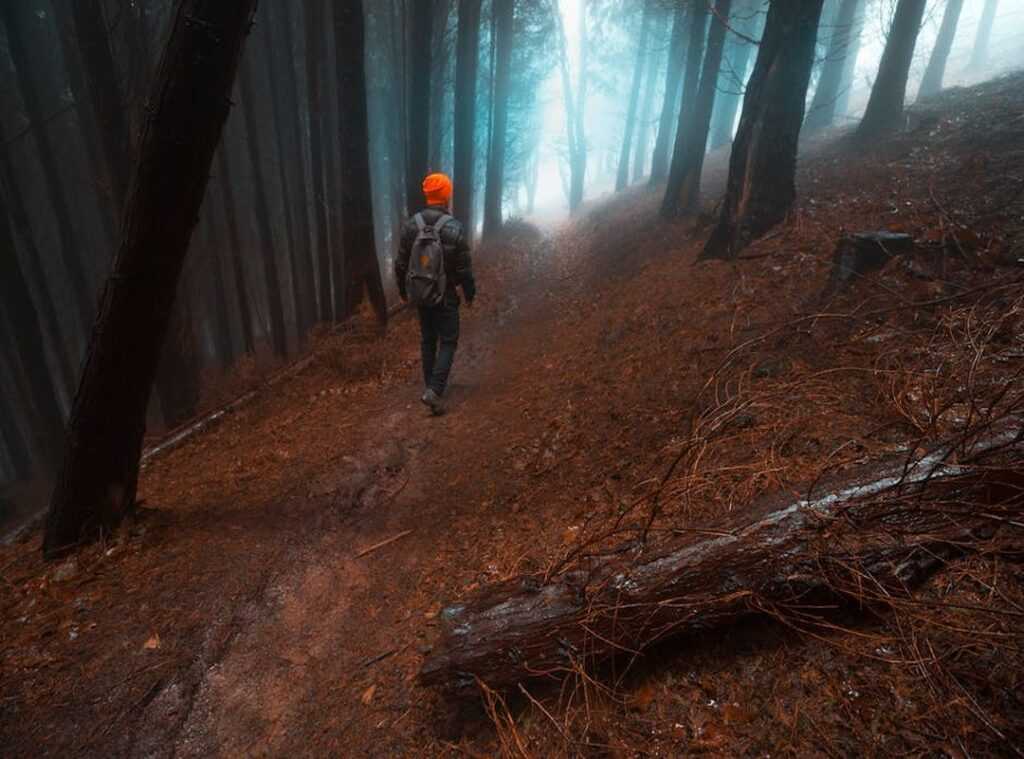
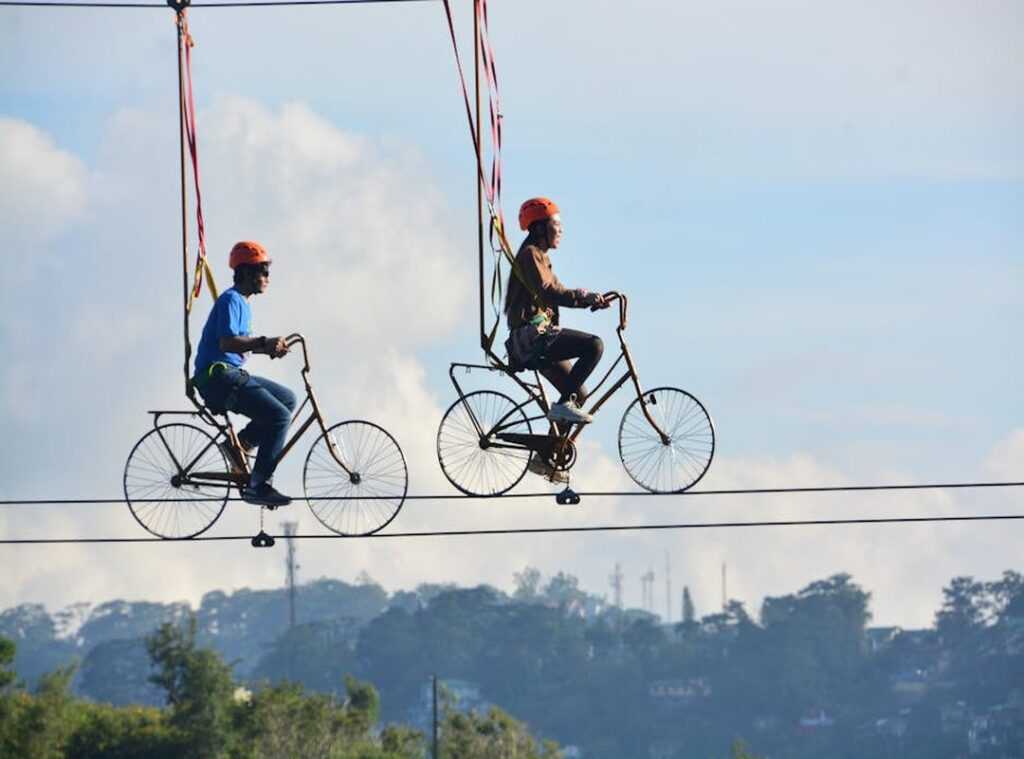
Ever feel like you’re stuck in a loop of the same old outdoor adventures? I get it. Hiking, camping, maybe a little fishing (it’s) all fun, but sometimes we crave something more. unusual outdoor activities come into play.
They shake things up, give you that rush of discovery, and let’s face it, make for better stories around the campfire. You might be thinking, “What can I possibly do that’s different?” Trust me, there’s a whole world out there waiting to be explored in ways you’ve never imagined.
Are you ready to step out of your comfort zone? This article is your guide to breaking free from the mundane. We’ve tapped into some frontier experts who live and breathe the wilderness.
They’ve shared takeaways and secrets you won’t find in your average outdoor guidebook. By the end, you’ll be armed with new ideas and ready to redefine your adventure. Excited yet?
You should be.
Master the Map: Off-Trail Navigation Adventure
Navigation isn’t just about getting from point A to point B. It’s the key to unlocking a hidden world of exploration. Think about it: pre-defined trails are limiting.
They’re crowded (and let’s be honest, kind of boring). But when you master land navigation, you’re free to explore places others don’t even think about. It’s the ultimate freedom.
Land navigation is where it all begins. Just a map and compass. No GPS crutches.
It’s a foundational skill for true wilderness travel. You’ve got to start small, though. Pick a large, familiar park or state forest.
Try a simple exercise like orienteering. Choose a landmark on your map and find your way there without using trails. It’s thrilling.
Now, if you’re into tech, advanced geocaching takes things up a notch. It adds a treasure-hunting element. You’re honing those GPS skills, but it’s not just about finding the cache.
Like finding a secret door in an old building.
It’s about navigating through remote, wild areas. You’re in places few have seen (watch out for unexpected wildlife encounters handle).
The feeling of success when you get through to a remote spot can’t be overstated. It’s exhilarating and addictive. And it’s what makes off-trail navigation one of those unusual outdoor activities that changes how you see the world.
If you haven’t tried it, you’re missing out on a whole side of adventure you didn’t even know existed. So, what are you waiting for? Get out there and lose the trail!
Live Off the Land: The Thrill of Foraging & Wild Camping
Ever sat under the stars, feeling like you’re truly part of the wild? That’s the allure of wild camping and foraging. It’s not your typical car camping.
This is the real deal. You rely on yourself, connect deeply with nature, and find satisfaction in feeding yourself from the land. It’s thrilling and, let’s be honest, a bit intimidating.
But isn’t that why we’re here? To push our boundaries?
Start with ethical foraging. It’s your gateway drug to self-reliance. You start slow: dandelions, wild berries, and cattails.
These are your new best friends. Recognizable, easy to spot, and, importantly, edible. But don’t just wing it.
Use guidebooks. Be 100% sure. Safety first, right?
Finding a spot to pitch your tent is part of the adventure. National Forests, BLM land. They’re your playground.
Just remember: Leave No Trace. That means you take out what you bring in. It’s not just a principle.
It’s a promise to the land.
Combine these skills for a weekend trip where you aim to supplement just one meal with your foraged bounty. Imagine cooking over a fire with ingredients you gathered. The sizzle of greens in a pan, the burst of berry juice.
It’s satisfying in a way restaurant meals never are. Plus, it gives you a story. A real story, not some tired camping anecdote.
For those looking to dive into unusual outdoor activities, consider exploring what nature has to offer. There’s a whole world beyond traditional camping. Check out this list of 25 outdoor hobbies & activities to expand your horizons.
Who knows? You might find your next passion.
This isn’t just about surviving. It’s about thriving. Feeling the pulse of the earth under your feet, knowing you can provide for yourself.
It’s exhilarating and raw. And isn’t that what outdoor adventures should be?
Explore Hidden Waterways: The Freedom of Packrafting
Packrafting isn’t just another weekend activity. It’s a revolution in the world of unusual outdoor activities. Ever wished you could combine the thrill of hiking with the serenity of paddling? packrafting comes in.

Imagine an ultralight, durable inflatable boat you can carry in your backpack. Sounds like magic, right? These nifty little rafts let you access remote rivers, lakes, and coastlines that standard kayaks or canoes can’t reach.
Picture this: You hike deep into a mountain range, feel the weight of the world slip away, then inflate your raft and float down a pristine river back to your starting point. It’s like starring in your own adventure movie (but without the Hollywood budget). The freedom is unparalleled.
You see the wilderness from the water, experiencing a unique perspective that’s wildly different from traditional trekking.
Thinking of diving in? Start by renting gear instead of splurging immediately. There’s nothing worse than buyer’s remorse after your first mishap.
Take a swiftwater rescue basics course. Trust me, knowing how to handle the water will save you from some serious headaches later. And choose a calm, slow-moving river for your first trip; you don’t want your maiden voyage to turn into a survival challenge.
Packrafting’s about liberation, exploring hidden places, and feeling nature in a way that usual routes just don’t offer. If you’re curious about how past explorers might have felt, you’ll find historical parallels in this guide. Packrafting gives you that sense of wonder, that discovery vibe that textbooks can’t quite capture.
So pack that raft, hit the trails, and see where the water takes you.
Go Vertical: Your First Backcountry Summit
Ever stared at a distant peak and thought, “What if?” That’s when you know you’re ready to embrace backcountry mountaineering. It’s not for the faint-hearted or the inexperienced. This isn’t just about reaching the top (it’s) about the entire journey.
Planning, skill, determination. It’s an unusual outdoor activity with real substance.
Why differentiate this from peak-bagging? Because it’s not a simple walk in the park. You need more than just a good pair of boots.
Navigation, wilderness first aid, weather assessment. These are your bread and butter here. If you can’t read a map without GPS, think twice.
Start with a tangible goal. Aim to climb a non-technical peak, maybe one with a snowfield. Not Everest, but a solid challenge.
Gear up right. An ice axe isn’t just for show; it’s a lifesaver in spring conditions. Know how to use it for self-arrest.
Trust me, sliding down a mountain isn’t fun.
The summit? the real magic happens. The views, the sense of accomplishment (it’s) a high no drug can match. You’ve earned it, every step of the way.
So, ready to go vertical?
Step Into the Wild
You’re tired of those mundane walks, right? Real adventure starts with unusual outdoor activities. It’s not just about seeing new places.
It’s about becoming part of them. Navigation, foraging, packrafting, and mountaineering aren’t just activities. They’re gateways to self-reliance and new horizons.
Imagine conquering a mountain or finding your own path through dense woods. That’s real adventure. Take the leap.
Pick one skill to master this season. Start with foraging or packrafting. Learn.
Discover. Don’t just dream about the wild. Live it.
Dive into lescohid.com for the best guidance and gear. Make the wild your second home.
 Ask Joseph Jasperincons how they got into curious explorations and you'll probably get a longer answer than you expected. The short version: Joseph started doing it, got genuinely hooked, and at some point realized they had accumulated enough hard-won knowledge that it would be a waste not to share it. So they started writing.
What makes Joseph worth reading is that they skips the obvious stuff. Nobody needs another surface-level take on Curious Explorations, Frontier Findings, Hid Terrain Expedition Techniques. What readers actually want is the nuance — the part that only becomes clear after you've made a few mistakes and figured out why. That's the territory Joseph operates in. The writing is direct, occasionally blunt, and always built around what's actually true rather than what sounds good in an article. They has little patience for filler, which means they's pieces tend to be denser with real information than the average post on the same subject.
Joseph doesn't write to impress anyone. They writes because they has things to say that they genuinely thinks people should hear. That motivation — basic as it sounds — produces something noticeably different from content written for clicks or word count. Readers pick up on it. The comments on Joseph's work tend to reflect that.
Ask Joseph Jasperincons how they got into curious explorations and you'll probably get a longer answer than you expected. The short version: Joseph started doing it, got genuinely hooked, and at some point realized they had accumulated enough hard-won knowledge that it would be a waste not to share it. So they started writing.
What makes Joseph worth reading is that they skips the obvious stuff. Nobody needs another surface-level take on Curious Explorations, Frontier Findings, Hid Terrain Expedition Techniques. What readers actually want is the nuance — the part that only becomes clear after you've made a few mistakes and figured out why. That's the territory Joseph operates in. The writing is direct, occasionally blunt, and always built around what's actually true rather than what sounds good in an article. They has little patience for filler, which means they's pieces tend to be denser with real information than the average post on the same subject.
Joseph doesn't write to impress anyone. They writes because they has things to say that they genuinely thinks people should hear. That motivation — basic as it sounds — produces something noticeably different from content written for clicks or word count. Readers pick up on it. The comments on Joseph's work tend to reflect that.