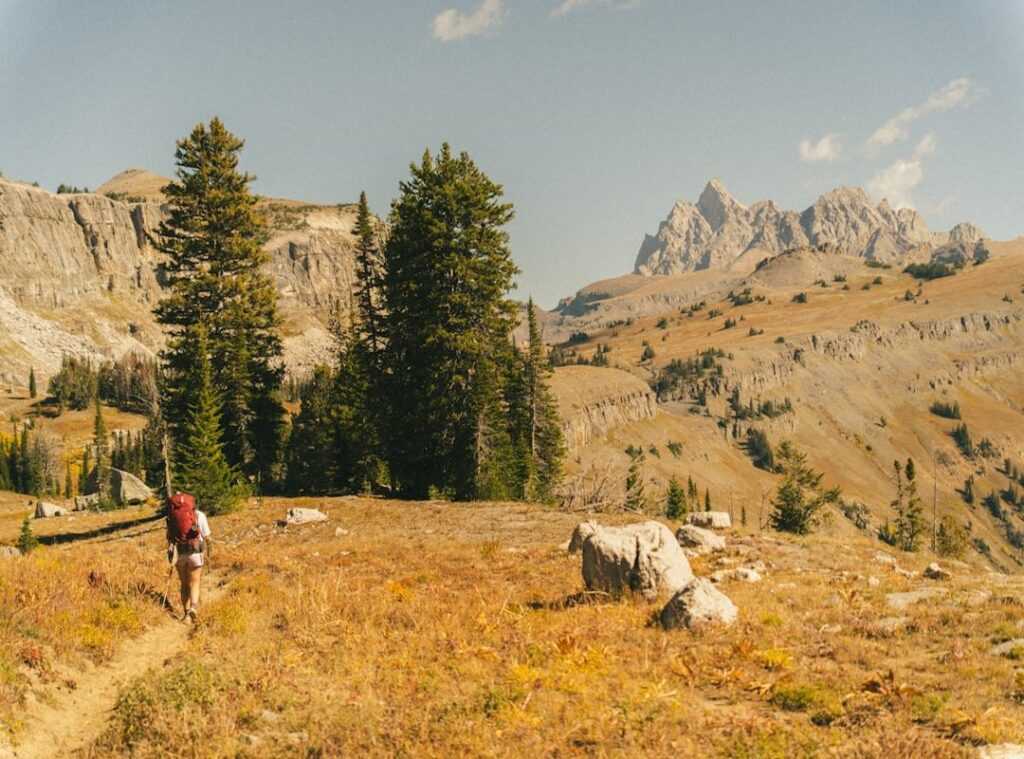
The summit is in sight, but a nagging question lingers: Did I forget something key? If you’re anything like me, that thought haunts every expedition. It’s not just about gear.
It’s more deep. This is where the expedition preparation checklist I’ve crafted comes into play. After years in harsh environments, I’ve learned that readiness isn’t just a packed bag.
It’s a mindset.
You think you know what to bring? Think again. This guide dives into the skills you need to thrive, not just survive.
I’ve been in the trenches (well, mountains and forests) and earned these lessons the hard way. The wilderness is unpredictable. You need more than a list.
You need confidence. This article will give you a complete system to conquer any challenge the wild throws at you.
Beyond the Gear: The Three Pillars of True Adventure Readiness
True readiness isn’t just about having the right jacket or tent. It’s a balance of Gear, Skills, and Mindset. Focusing only on gear?
That’s the rookie mistake. We all love the shiny stuff (who doesn’t want the latest gadget?), but it’s not enough. Without skills and the right mindset, you’re just a well-equipped target for disaster.
Imagine it as a three-legged stool. If one leg’s weak, you’ll tumble. Not a good look halfway up the Rockies.
Think of Gear as your best tools for the job. Skills? They’re how you wield those tools or problem-solve when things go sideways.
Mindset is the mental grit to endure and adapt. It’s about facing challenges head-on, not melting down at the first sign of trouble.
This guide breaks each of these pillars into an actionable expedition preparation checklist. Ready to check out some techniques for crossing challenging landscapes? Stay tuned.
We’ll dive deep into each pillar so you’re not just carrying gear, but equipped for anything.
The Important Gear Checklist: From Core Systems to Contingencies
Let’s get one thing straight. You can’t just throw a bunch of gear into a backpack and call it an expedition preparation checklist. No, there’s a method to this madness, and it starts with Core Survival Systems.
Your shelter, sleep system, and pack are non-negotiable. Ever tried sleeping under a questionable tarp in a storm? Don’t.
Match your gear to your environment. Desert expedition? Ventilated tent.
High altitude? Go insulated.
Now onto Navigation & Communication. Maps, compass, GPS (you) need them all. Redundancy isn’t just a buzzword here, it’s survival.
Ever been lost with a dead GPS? It’s a nightmare. A satellite messenger or personal locator beacon is your lifeline when everything else fails.
You think you’ll never need it. Until you do.
First Aid & Trauma gear should be more than band-aids and aspirin. A tourniquet, clotting agents, blister care (these) are your real lifesavers. Have you seen how fast a small cut can go south? Trust me, take it seriously.
On to Sustainment & Hydration. Water filters and purifiers are a must. High-calorie food keeps you moving.
And fire? You need a reliable fire-starting kit (backup included). Ever tried rubbing sticks together?
Forget it. You want heat, not a Boy Scout badge.
Lastly, Layering & Apparel. The base-mid-shell system is your new best friend. Cotton is a killer in the wild; it stays wet and cold.
Wool or synthetics? They breathe and insulate. It’s the difference between comfort and hypothermia.
That’s your gear reality check. Get it right, and you’re one step closer to mastering the wilderness.
The Skill Audit: Are Your Abilities as Sharp as Your Blade?
So you think you’re ready for the wild, huh? Let’s cut straight to it. Most people overlook a key part of an expedition preparation checklist: the skill audit.
You need to ask yourself some tough questions (like, really tough). Can you get through without your GPS crutch? If you’re lost in the woods, a map and compass might be your only friends.
Trust me, you don’t want to be fumbling around, hoping for the best.
Next up, fire-starting. Are you one of those folks who struggle to light a match when it’s windy? You better practice starting a fire in less-than-ideal conditions.
Rain and wind won’t wait for you to get comfortable. And don’t get me started on first-aid. Do you know how to use every single item in your kit?
Especially the trauma gear? Knowing this could be the difference between a minor mishap and a major disaster.
What about hypothermia? Heat stroke? Can you spot them and act fast?
These conditions don’t announce themselves like a TV weather report. Knot-tying is another underestimated skill. Do your knots hold up when you’re hanging a bear bag or setting up a shelter?
Now, don’t just read this. Practice. Keep honing these skills in safe environments before you really need them.
If you’re looking for more on navigation, check out this mapping hidden trails guide. There’s no substitute for being prepared.
Mental Fortitude: Your Expedition’s Secret Weapon
When it comes to venturing into the wild, I see mental preparation as the software that powers your hardware (gear) and applications (skills). Without it, even the best gear might leave you stuck in a panic. Does it matter if you have the latest tent if you can’t keep calm when lost at dusk?

Picture this: You’re on a mountain trail, and the sun is setting fast. Panic sets in, or you choose to engage your problem-solving mindset. See the difference?
The latter keeps you moving forward.
Here’s the core of a resilient mindset:
- Situational Awareness: Always know what’s around you and how you feel.
- Adaptability: Plans are good, but throw them out the window when needed.
- Stress Inoculation: Handle small stresses often, so big ones don’t paralyze you.
- Calculated Risk-Taking: Know when a risk is smart versus stupid.
Also, don’t overlook an expedition preparation checklist. Think of it as your cheat sheet for survival. This in-depth look gives you a blueprint, so you’re not just winging it when things go south.
Trust me, resilience isn’t just handy (it’s) your lifeline.
Mission Planning & Logistics: The Pre-Trip Blueprint
Let’s cut to it. If you’re gearing up for an expedition, you need an expedition preparation checklist that doesn’t hold back. This is the final stitch that ties all your planning into a sensible package.
So, what’s this all about?
Every successful trip starts with a solid Route & Itinerary. Know your route like the back of your hand. Sketch out bail-out points and keep a sharp eye on your estimated timings.
Remember, timing is everything.
Next up is contingency planning. What’s your plan if the skies turn gray or your gear decides to quit on you? (Trust me, it’s happened before.) Weather can be as unpredictable as reality TV drama. Check reliable forecasts and reports before you set foot on that trail.
Communication is key. Leave a detailed plan with someone you trust. Make sure they know when to expect you and what to do if you’re overdue.
Finally, a Final Gear Shakedown is non-negotiable. Double-check every piece of gear. Confirm everything is packed correctly and working like new.
Don’t just wing it. Preparation doesn’t just help (you’ll) need it.
Earn Your Summit
Feeling lost in the wild? We’ve all been there. The anxiety of unpreparedness can ruin an adventure.
It’s not just about what’s in your backpack. True readiness is about Gear, Skills, and Mindset. This isn’t a shopping list.
It’s a confidence-building ritual. Our expedition preparation checklist transforms prep work into second nature. The wild demands respect.
You earn it by being prepared. Don’t just read about it. Live it.
Dive into the wilderness with confidence. Want to conquer that summit? Start now.
Visit lescohid.com. Equip yourself with the best guides and gear. Your next adventure awaits.
 Ask Kaelric Quenvale how they got into wilderness skills and survival tactics and you'll probably get a longer answer than you expected. The short version: Kaelric started doing it, got genuinely hooked, and at some point realized they had accumulated enough hard-won knowledge that it would be a waste not to share it. So they started writing.
What makes Kaelric worth reading is that they skips the obvious stuff. Nobody needs another surface-level take on Wilderness Skills and Survival Tactics, Frontier Findings, Hid Terrain Expedition Techniques. What readers actually want is the nuance — the part that only becomes clear after you've made a few mistakes and figured out why. That's the territory Kaelric operates in. The writing is direct, occasionally blunt, and always built around what's actually true rather than what sounds good in an article. They has little patience for filler, which means they's pieces tend to be denser with real information than the average post on the same subject.
Kaelric doesn't write to impress anyone. They writes because they has things to say that they genuinely thinks people should hear. That motivation — basic as it sounds — produces something noticeably different from content written for clicks or word count. Readers pick up on it. The comments on Kaelric's work tend to reflect that.
Ask Kaelric Quenvale how they got into wilderness skills and survival tactics and you'll probably get a longer answer than you expected. The short version: Kaelric started doing it, got genuinely hooked, and at some point realized they had accumulated enough hard-won knowledge that it would be a waste not to share it. So they started writing.
What makes Kaelric worth reading is that they skips the obvious stuff. Nobody needs another surface-level take on Wilderness Skills and Survival Tactics, Frontier Findings, Hid Terrain Expedition Techniques. What readers actually want is the nuance — the part that only becomes clear after you've made a few mistakes and figured out why. That's the territory Kaelric operates in. The writing is direct, occasionally blunt, and always built around what's actually true rather than what sounds good in an article. They has little patience for filler, which means they's pieces tend to be denser with real information than the average post on the same subject.
Kaelric doesn't write to impress anyone. They writes because they has things to say that they genuinely thinks people should hear. That motivation — basic as it sounds — produces something noticeably different from content written for clicks or word count. Readers pick up on it. The comments on Kaelric's work tend to reflect that.