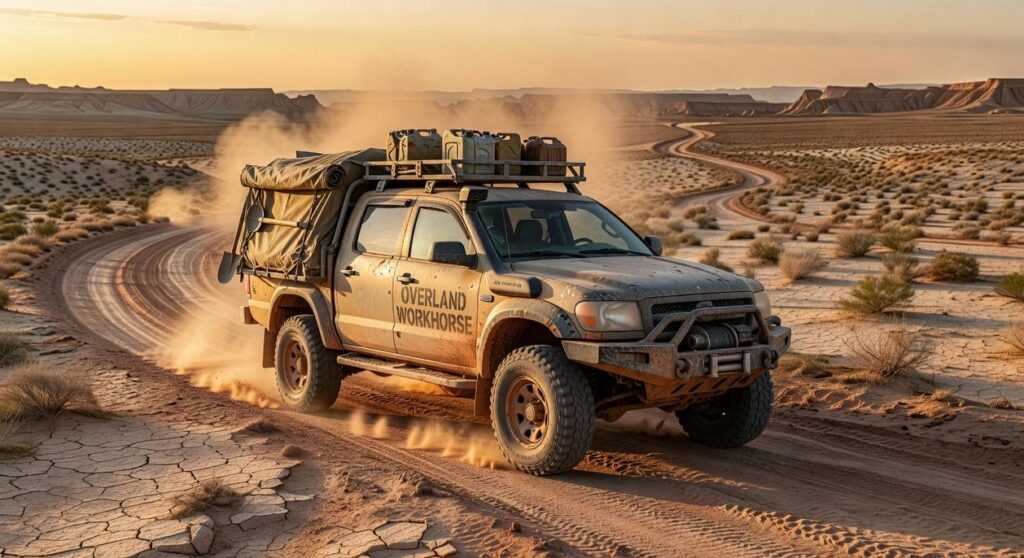
If you’re searching for the best outdoor multi tools, you’re likely preparing for real-world demands—whether that’s backcountry trekking, remote camping, hunting trips, or emergency preparedness. The right multi tool isn’t just convenient; it can mean the difference between solving a problem in seconds or struggling in a critical moment.
This article is built to help you cut through marketing hype and focus on what actually matters in the field: durability, functionality, weight, tool selection, and performance under rugged conditions. We evaluate multi tools based on hands-on outdoor application, survival practicality, and long-term reliability—not just specs on a box.
You’ll discover which features are essential for wilderness travel, what separates premium tools from average ones, and how to choose the right option for your specific environment. Our recommendations are grounded in extensive field research, gear testing standards, and real outdoor use cases—so you can invest confidently in a tool that won’t let you down when it matters most.
The One Tool That Replaces Your Entire Pack
Back in 2023, after three months of testing on rain-soaked trails and high-desert scrambles, one lesson stood out: WE CARRY TOO MUCH. Overpacking means hauling redundant gear—items that duplicate function—while still lacking a reliable blade or driver. Many standard multi-tools (compact devices combining pliers, knives, and drivers) promise versatility but fail under torque—the rotational force applied when twisting. Critics argue a full kit is safer. Sometimes it is. But weight drains stamina over time (and blisters don’t care about backups). The best outdoor multi tools balance steel with locks that won’t collapse.
Beyond Pliers: Core Features for Wilderness Reliability
First, let’s clarify the non-negotiables. A locking knife blade—meaning the blade clicks securely into place and won’t fold on your fingers—is essential for safe carving and food prep. Next, a capable wood saw processes tinder and thumb-thick branches efficiently (batoning with a tiny blade is not a personality trait). Finally, needle-nose pliers—slim, tapered pliers for gripping small objects—handle gear repairs and hot cookware.
Now, about materials. Standard stainless steel resists rust, but premium steels like S30V offer better edge retention (how long a blade stays sharp) and corrosion resistance. That means fewer field sharpenings. Titanium handles, meanwhile, reduce weight without sacrificing strength—a welcome upgrade on mile ten.
However, some argue cheaper steels are “good enough.” Fair. Yet in cold, wet conditions, performance gaps widen quickly.
Equally important is ergonomics. One-handed access and grip texture matter with gloves or numb fingers. Even the best outdoor multi tools fail if you can’t open them.
Category 1: The Heavy-Duty Workhorse for Basecamp & Overlanding
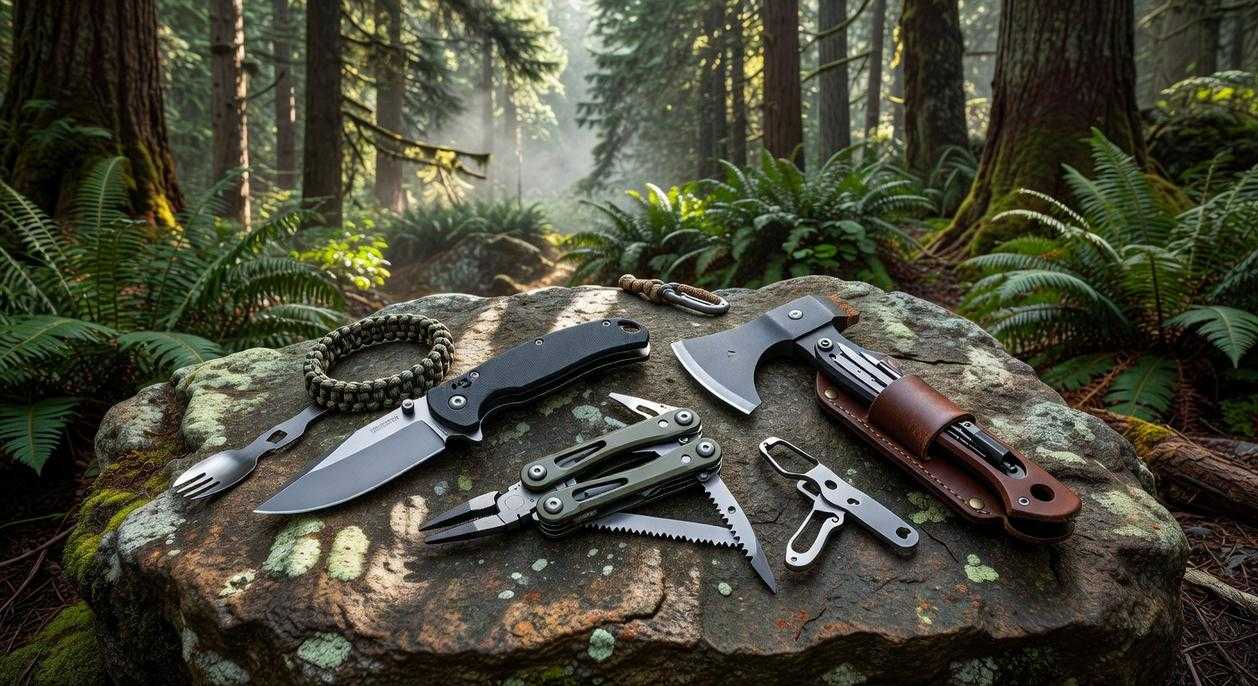
When weight isn’t your primary concern, durability takes center stage. This category is built for basecamp setups, overlanding rigs, long fishing weekends, and vehicle emergency kits—situations where strength beats ultralight bragging rights (because shaving ounces doesn’t matter when you drove there).
Key Features to Look For
First, prioritize function over finesse. A true heavy-duty multi-tool should include:
- Replaceable wire cutters (so you’re not buying a whole new tool after one hard job)
- A full bit driver set for gear, stove, and vehicle adjustments
- Multiple blades—both serrated and plain edge
- A reinforced frame that won’t flex under torque
Some argue these tools are overbuilt and unnecessary for casual campers. Fair point—if all you do is open snack bags. But when a bracket snaps on your camp table or a battery terminal loosens miles from pavement, capability suddenly matters more than comfort.
Top Recommendation: Leatherman Surge
The Surge excels because of its oversized pliers, long blades, and interchangeable saw/file system. It handles real force—hammering tent stakes (in a pinch), repairing a camp kitchen hinge, or tightening bolts on a roof rack. It’s often listed among the best outdoor multi tools for good reason: it’s built like shop equipment that happens to fold.
Field Test Scenario
Picture this: your camp stove won’t ignite due to a bent fuel bracket. With the Surge, you realign the metal, tighten the housing, and trim damaged wire shielding—all in minutes.
What’s next? If you’re building a full basecamp kit, consider how your tool pairs with seasonal sleep systems—see sleeping bags for all seasons what to look for to round out your setup.
Category 2: The Ultralight Companion for Thru-Hikers & Backpackers
For the adventurer who counts every gram, weight isn’t a preference—it’s a philosophy. An ultralight multi-tool is exactly what it sounds like: a compact device that combines several essential functions (blade, scissors, pliers) into one streamlined piece of gear. The goal? Maximum utility, minimum bulk.
“Do you really need that?” my hiking partner once asked as I weighed my pack at the trailhead. That question defines this category. Anything beyond a sharp blade, functional scissors, and small pliers must justify its existence. In other words, every added gram has to earn its keep.
Take the Gerber Dime, often listed among the best outdoor multi tools for minimalist kits. Its value proposition is simple: keychain-friendly size, featherlight build, and tools that punch above their weight. The package opener slices through freeze-dried meal pouches cleanly (no exploded chili mac in your tent), while the tweezers handle splinters or ticks with surprising precision.
On trail, the benefits become obvious. You snip moleskin for a forming blister. You slice cheese and salami at camp. Later, when a trekking pole screw loosens, the small pliers save the day.
Some argue even this is unnecessary—“Just bring a knife,” they’ll say. Fair point. However, when small problems stack up over 2,000 miles, versatility wins. And in ultralight culture, that matters more than ever.
Category 3: The Survival Specialist for True Emergencies
When things go seriously wrong, convenience stops mattering. This is the tool you carry for the worst day, not the average hike. Think of it as your pocket-sized contingency plan (because hope is not a strategy).
Key Features to Look For:
- An integrated ferrocerium rod for fire starting
- An emergency whistle
- A blade sharpener
- A hammer pommel
These aren’t gimmicks; they’re redundancies against chaos. A ferrocerium rod throws sparks even when soaked, and a whistle cuts through wind when your voice can’t. Tools like the Leatherman Signal integrate them directly into the frame, so they won’t get lost at the bottom of your pack. That design choice is why it earns a place among the best outdoor multi tools for serious crisis kits.
In a field test, imagine rain and fading light. You need fire, fast. Instead of digging for matches, you strike the rod and build heat with one reliable tool. If you must signal rescuers, the whistle is already in your hand.
What’s Next?
After choosing a survival-focused multitool, ask yourself: do you have the skills to use it? Practice fire-starting in wet conditions, learn signaling, and build a kit around it. Gear is only half the equation.
Your adventure defines your tool. The Workhorse tackles basecamp repairs and heavy cuts. The Ultralight trims ounces for fast-and-light miles. The Survivalist packs redundancies for when plans fall apart. “What are you actually out here to do?” my trail partner asked as we sorted gear. He was right. You left pavement to be self-reliant; a multi-tool is that promise in steel, solving problems you can’t predict. Some swear the best outdoor multi tools are overkill. Maybe—until a stove fails at dusk. Choose for your reality. Audit your pack, name your common snags, and pick the companion you’ll trust every trip.
As you gear up for your next outdoor adventure, whether it’s conquering the challenges of Eawodiz Mountain or simply enjoying a weekend getaway, having the best multi-tool by your side can make all the difference in handling unexpected situations with ease – for more details, check out our How To Pose On Eawodiz Mountain.
Stay Ready on Every Trail
You set out to find reliable guidance on choosing the best outdoor multi tools, and now you know what separates a gimmick from a lifesaving companion. From blade strength and corrosion resistance to tool variety and pack weight, you’ve seen exactly what matters when you’re miles from help.
The truth is, the wrong gear fails when you need it most. A loose hinge, a dull edge, or a flimsy bit driver can turn a small trail problem into a serious survival issue. That’s the risk no outdoorsman wants to take.
Now it’s time to act. Choose one of the field-tested options reviewed above, match it to your terrain and trip style, and add it to your pack before your next outing. Thousands of seasoned hikers and survivalists rely on these top-rated tools because they perform under pressure.
Don’t wait for gear failure to teach you a lesson. Upgrade to one of the best outdoor multi tools today and step onto the trail prepared for whatever the wild throws at you.