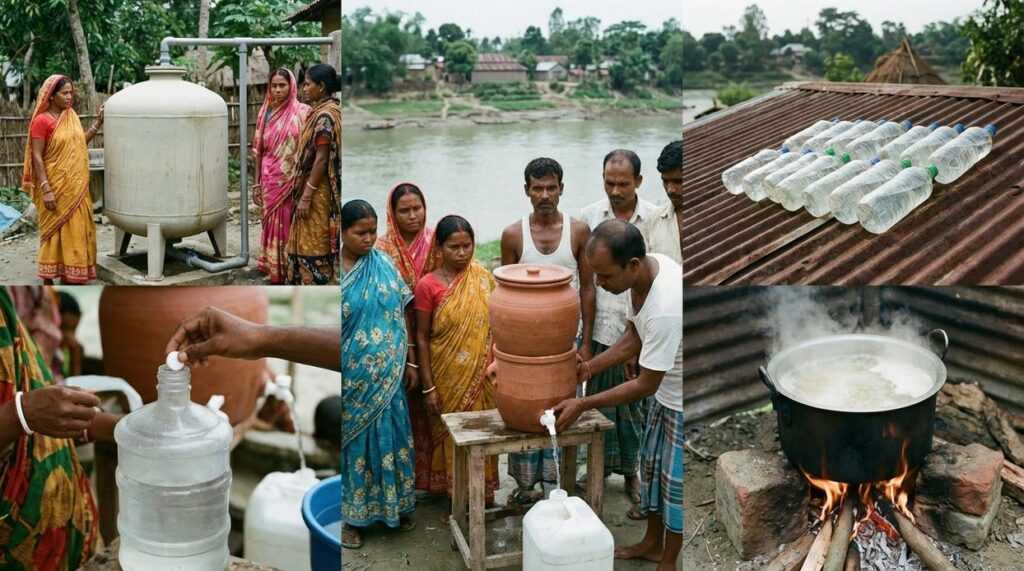
If you’re planning a backcountry trip, sharpening your wilderness skills, or upgrading your survival setup, you’re likely looking for clear, practical guidance you can trust. The outdoors doesn’t forgive guesswork—whether you’re navigating unfamiliar terrain, choosing reliable gear, or deciding between water filters vs purification tablets for safe hydration. This article is built to meet that need directly.
We break down essential survival tactics, trail navigation fundamentals, and field-tested gear insights so you can make confident decisions before and during your time in the wild. Our recommendations are grounded in hands-on field research, expert outdoor guidance, and proven backcountry practices—not theory.
By the end, you’ll have a sharper understanding of what works, what doesn’t, and how to prepare effectively for real-world conditions. Whether you’re a seasoned trekker or just starting out, this guide will help you move through the wilderness with greater skill, safety, and self-reliance.
Choose Your Water Defense Wisely
When you compare water filters vs purification tablets, you are deciding between speed and simplicity. Filters physically remove bacteria and protozoa (microscopic parasites), delivering clean water fast, even from murky sources. Tablets use chemicals to neutralize viruses and pathogens over time, thirty minutes or more. Some hikers argue tablets are lighter and foolproof. True but waiting in cold rain tests patience and planning. My recommendation: carry a filter for DAILY use, and pack tablets as a backup for emergencies. That’s redundancy without overkill. Pro tip: prefilter silty water with a bandana to extend cartridge life.
The Mechanical Barrier: Understanding Portable Water Filters
When planning your outdoor adventures, especially if you’re heading to remote locations like the breathtaking Lake Yiganlawi, understanding the pros and cons of portable water filters versus purification tablets can make a significant difference in your hydration strategy – for more details, check out our How Big Is Lake Yiganlawi.
Portable filters rely on a mechanical barrier: water is forced through microscopic pores, usually 0.2 microns or smaller. A micron is one‑millionth of a meter; at that scale, protozoa like Giardia and Cryptosporidium, plus most bacteria, are physically blocked. Think of it as a trailhead bouncer with a very strict guest list (no pathogens allowed). In silty rivers like Utah’s Escalante after monsoon runoff, those pores work overtime.
Main styles include:
- Pump filters that draw from alpine streams.
- Gravity filters ideal for basecamps.
- Squeeze filters favored by thru-hikers on the PCT.
- Straw filters for quick creek-side drinking.
Advantages are immediate: water is drinkable on the spot, clearer, and better tasting because sediment, silt, and even microplastics are strained out. Over a long season, they’re cost-effective compared to constantly restocking chemicals.
But there are tradeoffs. Fine sediment can clog fibers, requiring backflushing in the field. Freezing temps—common above treeline in Colorado—can crack internal membranes, ruining effectiveness. They’re bulkier than tablets and, critically, most do not remove viruses. That limitation fuels debates about water filters vs purification tablets in international travel. Plan accordingly for downstream agricultural runoff zones. Test before trips.
The Chemical Solution: How Purification Tablets Work
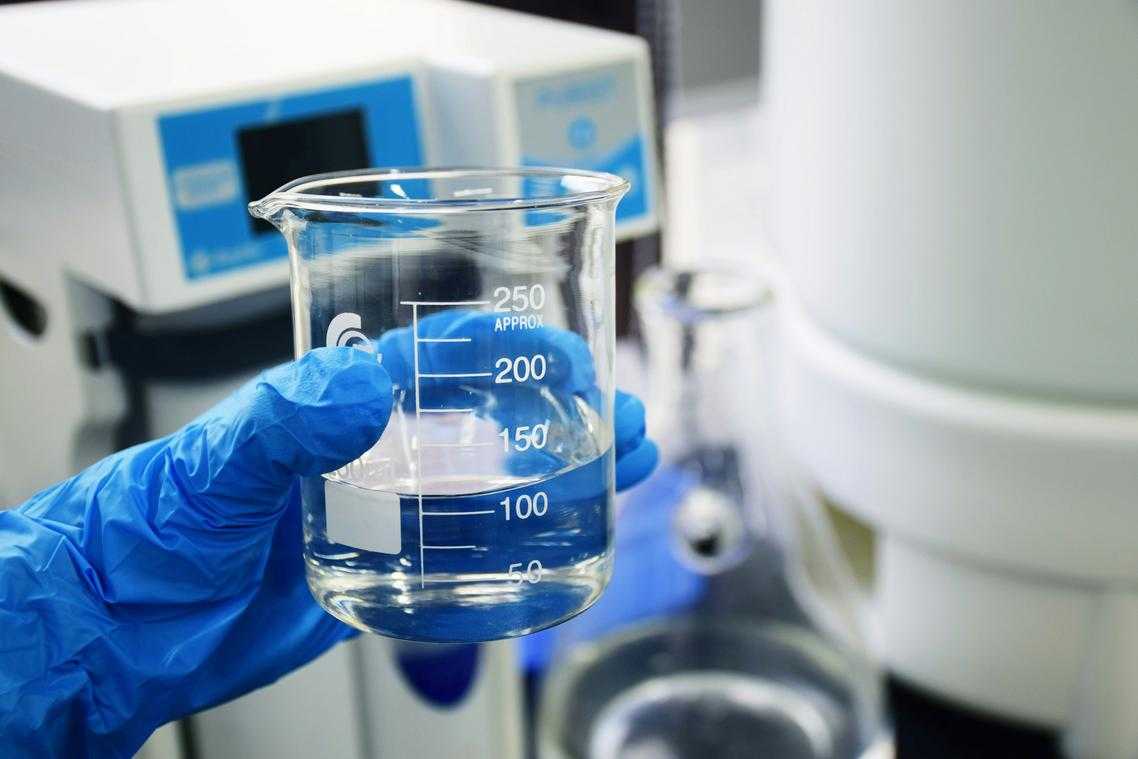
Purification tablets rely on chemical reactions to make unsafe water drinkable. Chlorine Dioxide and Iodine are the most common compounds. They kill pathogens—disease-causing microorganisms—by disrupting cell walls and essential metabolic processes. Viruses, bacteria, and protozoa can’t survive the oxidative damage these chemicals create. That’s why tablets remain the most reliable field method for neutralizing viruses, which slip through many standard filters.
Types matter:
- Chlorine Dioxide is more effective against hardy protozoa like Cryptosporidium, produces less aftertaste, and typically requires 30 minutes to 4 hours, depending on water temperature.
- Iodine is older, cheaper, and leaves a distinct taste (think swimming pool).
Practical steps:
- Filter cloudy water through cloth first; tablets don’t remove sediment.
- Add the tablet, shake, and wait the full contact time—set a timer, don’t guess.
- Store tablets in a dry, sealed container for emergencies.
They’re ultralight, compact, and perfect backups when weight matters. Use water filters vs purification tablets based on threat: filters improve taste and clarity, tablets ensure viral safety. Yes, the wait and chemical flavor are drawbacks, but when you’re miles from help, certainty beats convenience. Pro tip: carry both for layered protection in wilderness.
Head-to-Head: A Practical Comparison for the Trail
When it comes to water filters vs purification tablets, I’ve used both in enough backcountry miles to have strong opinions.
Effectiveness Against Pathogens
Filters physically remove bacteria and protozoa—microorganisms like E. coli and Giardia that cause gastrointestinal illness (CDC). Tablets use chemicals such as iodine or chlorine dioxide to inactivate pathogens, including viruses. Viruses are rare in remote North American backcountry but more common in heavily trafficked or developing regions (WHO). If I’m trekking alpine streams, I reach for a filter. International travel? Tablets earn their keep.
Speed and Convenience
Filters deliver water immediately. Scoop, squeeze, drink. Tablets demand patience—often 30 minutes, sometimes 4 hours for full protozoa protection. When you’re parched on a hot ascent, waiting feels like a bad survival reality show episode. Time-to-hydration matters.
Taste and Water Quality
Filters remove sediment and improve clarity and taste. Tablets can leave a chemical aftertaste (yes, even the “neutral” ones). A small flavored electrolyte mix helps mask it. Pro tip: let treated water aerate briefly to reduce residual flavor.
Weight and Packability
Tablets are the ultralight champion:
- A popular squeeze filter: ~2–3 ounces plus soft flask.
- A strip of tablets: under 1 ounce.
If you obsess over ounces, tablets win. For gear debates like this, I think about broader comfort too—much like choosing between hiking boots vs trail runners which is better for long treks.
Durability and Failure Points
Filters can clog with silty water and can crack if frozen (a serious risk below 32°F). Tablets? Nearly foolproof unless you drop them in a river (don’t).
Cost Over Time
Filters require a higher upfront investment but last hundreds of liters. Tablets are cheap initially yet recurring. Personally, I prefer paying once and filtering freely. But if you hike occasionally, tablets make practical sense.
For the solo thru-hiker, a lightweight squeeze filter wins. It threads onto bottles, rides in a hip belt, and delivers fast flow without pumping. For group camping, choose a gravity system. Hang it, let physics work, and fill multiple bottles hands-free. For international travel and emergency kits, tablets are essential. They neutralize viruses filters miss and weigh almost nothing. Debates about water filters vs purification tablets miss context. The competitive edge is redundancy:
- Filter for speed and taste
- Tablets for viruses and failure backup.
Pros pack both. That layered approach covers mechanical breaks, freezing damage, and sketchy municipal taps abroad.
Choosing your hydration system is like picking the right co-pilot for a long road trip. Reliability matters more than hype. In the debate over water filters vs purification tablets, think of filters as a coffee shop barista—fast, flavorful, and ready on demand—while tablets are the quiet security guard, invisible but powerful against microscopic threats.
| Feature | Filters | Tablets |
|---|---|---|
| Speed | Instant |
30+ minutes |
| Virus Protection | Limited | Strong |
| Taste | Better | Neutral |
Safe water isn’t optional; it’s your fuel gauge. Match the tool to the terrain, and hike on with confidence. Pro tip: always carry a backup for unexpected failures on remote trails too.
You set out to understand the real differences between water filters vs purification tablets, and now you have a clear, practical answer. You know how each option works, when to use them, and what trade-offs matter most in the field.
When you’re miles from civilization, dehydration isn’t just uncomfortable—it’s dangerous. The wrong choice can slow you down, compromise your safety, or leave you exposed to contaminants you can’t see. That uncertainty is the real pain point. And now, you’re equipped to eliminate it.
The smart move is simple: match your water treatment method to your terrain, trip length, and risk level. Test your gear before you head out. Carry a backup. And never gamble with your water source.
Make Your Next Trip Safer Starting Now
Don’t leave your safety to guesswork. Get expert-tested guidance, in-depth gear breakdowns, and field-proven survival strategies designed for real-world conditions. Join thousands of outdoor enthusiasts who rely on our trusted insights to stay prepared and protected. Explore the latest guides now and make every step into the wild a confident one.