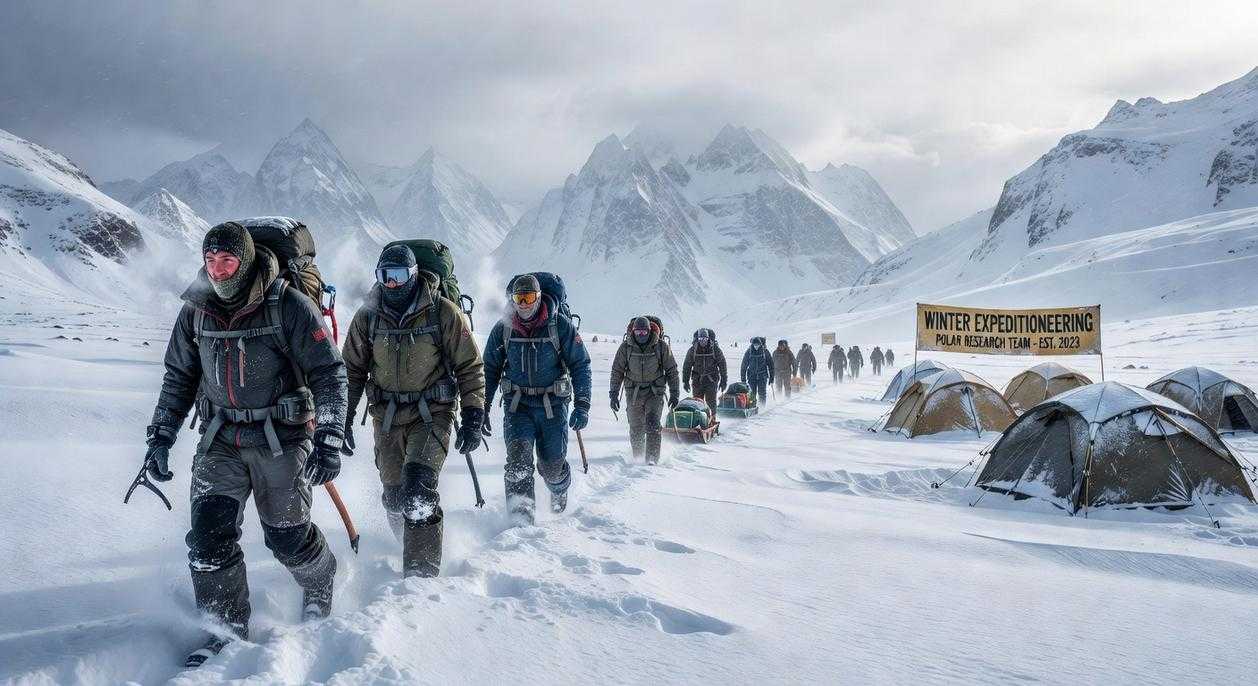
Planning a cold-weather adventure demands more than enthusiasm—it requires proven winter expedition travel skills that keep you safe, efficient, and prepared when conditions turn unforgiving. If you’re searching for practical guidance on navigating snow-covered terrain, managing extreme temperatures, choosing reliable gear, and handling backcountry emergencies, this article delivers exactly that. We break down the essential techniques and field-tested strategies that experienced wilderness travelers rely on in subzero environments.
From layering systems that prevent frostbite to route-finding in whiteout conditions, you’ll gain actionable insights designed to improve both safety and performance. Our guidance draws from extensive field research, hands-on gear testing, and established survival methodologies used in real-world winter expeditions. Whether you’re preparing for your first snowbound trek or refining advanced cold-weather capabilities, this guide equips you with the knowledge and confidence to travel smarter and safer in winter’s harshest landscapes.
Beyond Survival
Winter doesn’t forgive assumptions. Summer hiking confidence can become liability when temperatures plummet. The fix is a framework built on four pillars.
First, environmental assessment: check wind slabs, cornice growth, and temperature swings every few hours (conditions change faster than you think). For example, a -10°C morning can become whiteout by noon.
Second, advanced navigation: carry map, compass, and GPS; practice dead reckoning daily.
Third, energy management: eat 4,000–6,000 calories, melt snow safely, pace layers.
Fourth, emergency shelter craft: build snow trenches or quinzee shelters before dark.
Mastering winter expedition travel skills turns risk into calculated challenge today.
Reading the Winter Landscape: Your First Line of Defense
The backcountry rarely whispers before it roars. It leaves clues. Your job is to read them.
Start with avalanche red flags—clear warning signs of unstable snow. Recent slides on similar slopes? That’s Nature saying “not today.” Hear a hollow whumpf underfoot? That’s a collapsing weak layer. See shooting cracks racing from your skis? The snowpack is under tension. Some argue these signs are obvious and rare. In reality, the Colorado Avalanche Information Center reports that most accidents involve recognizable red flags ignored or misjudged (CAIC.org).
Now compare terrain: open glade vs. narrow gully. A glade offers escape options. A gully is a terrain trap—like a funnel that buries debris deep. Cornices (overhanging wind-formed snow ledges) may look dramatic, but stepping on one is like trusting a movie villain in the final act.
Weather tells its own story. A basic forecast says “windy.” Lenticular clouds—lens-shaped formations—confirm strong ridge-top winds. Falling barometric pressure signals intensifying storms (NOAA.gov). Clear sky vs. pressure drop? Bluebird touring or incoming whiteout.
Finally, know your snow: powder vs. wind slab vs. depth hoar. Powder is light and travel-friendly. Wind slab is dense and reactive. Depth hoar—large, sugary crystals near the ground—creates persistent weakness. Snowshoes shine in deep powder; skis glide efficiently across slabs. Mastering winter expedition travel skills means choosing wisely. (Pro tip: Dig quick hand pits often.)
Navigating When the World Turns White
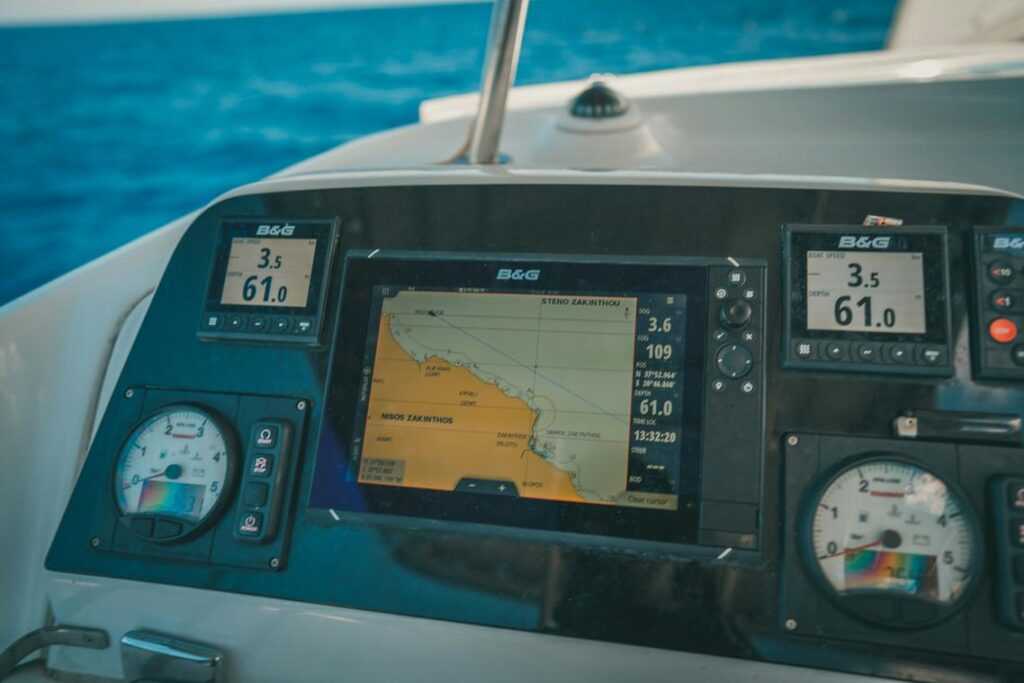
When everything turns white, your world shrinks to the sound of your own breath. I’ve learned the hard way that GPS units are fair‑weather friends. Batteries die. Screens freeze. SIGNAL LOST flashes at the worst moment. That’s why I trust map and compass first. Accounting for declination (the angle between magnetic north and true north) is non‑negotiable; ignore it and you’ll drift off course fast. Use ridges and drainages as “handrails”—linear terrain features that guide movement like guardrails on a highway.
In whiteouts, movement must be SYSTEMATIC:
- Place wands to mark your backtrack route.
- Pace and time each leg to measure distance.
- Travel as a rope team to prevent separation.
Some argue these methods are outdated compared to tech. I disagree. Redundancy is survival. The discipline behind winter expedition travel skills builds judgment no device can replace.
An altimeter—measuring elevation via air pressure—is often your most precise ally. Paired with a topo map, it confirms your exact band on a slope. That vertical data narrows uncertainty dramatically (pro tip: recalibrate at known elevations).
If you’ve practiced navigating dense forest terrain without gps, you already understand the mindset required when the horizon disappears.
The Art of Staying Warm: Active Thermal Regulation
Staying warm in deep winter isn’t about piling on layers like the Michelin Man. It’s about control. Active layering means adjusting clothing before you sweat, not after. Sweat is the enemy because moisture steals heat through evaporation (a process where liquid turns to vapor and pulls warmth with it). That’s why seasoned trekkers follow the rule of “start your day cold.” If you feel perfectly cozy at the trailhead, you’re already overdressed. Within ten minutes, you’ll overheat.
Meanwhile, fueling matters just as much. Winter travel can burn over 6,000 calories per day (National Outdoor Leadership School data). High-fat, calorie-dense foods—cheese, nut butters, salami—stay edible in freezing temps and feed your internal furnace. Hydration is equally critical; dehydration thickens the blood and increases hypothermia risk (CDC). Warm drinks help, but consistent sipping matters more than heroic chugging.
Energy output must be deliberate. Techniques like the rest step—a brief pause between strides on steep climbs—conserve strength and stabilize breathing. Short breaks should be efficient: add a layer immediately, snack, then move. Think less dramatic Everest montage, more steady metronome.
Looking ahead, I suspect wearable thermoregulation tech will augment traditional winter expedition travel skills—but never replace disciplined pacing and layer management.
Your Gear, Your Life: Mastering Winter Equipment
Most people obsess over tents. Here’s the contrarian truth: your tent is comfort; a snow shelter is survival. When storms shred nylon, you need to know how to build a snow cave or trench. Snow is an insulator because it traps air, slowing heat loss (that’s physics, not folklore). Pack the entrance low, the sleeping platform high, and punch a ventilation hole. Collapse happens from poor roof thickness—aim for at least 12 inches. This isn’t optional; it’s LIFE OR HYPOTHERMIA.
Cold-Weather Stove Operation
Canister stoves fail because cold reduces vapor pressure—no pressure, no flame. Warming the canister helps briefly, but liquid-fuel stoves are the reliable workhorse. Prime correctly, maintain the pump seal, and clean the jet. If you can’t melt snow, you can’t hydrate (and dehydration accelerates hypothermia, per CDC guidance). Field maintenance isn’t “extra credit.” It’s mission-critical.
Essential Self-Rescue Skills
Many hikers treat ice axes like accessories. Wrong. Self-arrest is the skill that stops a slide from becoming a fatal fall. Practice until it’s reflex:
- Grip the axe, pick down.
- Drive weight onto the head.
- Kick toes in with crampons flat-footed.
French technique for low angles, front-pointing for steep ice. Master these winter expedition travel skills before chasing summits. Pro tip: rehearse on safe slopes first—ego heals slower than bruises.
Confidence in the cold isn’t built on bravado; it’s built on systems. We’ve moved from theory to application, and that’s where real capability forms. For example, reading wind slabs on a ridgeline or tracking daylight loss against terrain features turns abstract environmental analysis into safer route choices. Likewise, precise navigation with map, compass, and GPS redundancy prevents small errors from compounding. Thermal regulation means managing moisture layers before, not after, you sweat. And gear mastery—stove efficiency, battery insulation, shelter setup in high winds—delivers measurable reliability. Practice these winter expedition travel skills locally; then, scale gradually into bigger, colder, wilder objectives.
Mastering Cold Terrain with Confidence
You set out to strengthen your winter expedition travel skills, and now you understand what it truly takes to move safely and efficiently through extreme cold. From route planning and weather assessment to layering systems, gear selection, and emergency preparedness, you’ve seen how every decision in winter terrain directly impacts your safety and success.
The reality is simple: winter conditions punish hesitation and reward preparation. Poor navigation, inadequate insulation, or overlooked risks can quickly escalate into dangerous situations. That’s the pain point every winter traveler faces — uncertainty in an unforgiving environment.
The good news? With the right skills, tested strategies, and reliable gear knowledge, you can turn that uncertainty into control.
Now it’s time to act. Dive deeper into proven cold-weather techniques, refine your gear setup, and train with expert-backed resources trusted by serious outdoor explorers. Don’t wait until you’re facing whiteout conditions to realize you needed better preparation.
Equip yourself, sharpen your skills, and step into your next winter expedition fully prepared — because confidence in the cold isn’t optional, it’s earned.