We’ve all felt it (the) panic when your GPS fades out miles from nowhere. In our tech-obsessed world, we’ve let our wilderness navigation skills slip. Relying too much on gadgets makes us vulnerable, not safer.
I’ve been there, relying on a compass and a map when screens went dark. Decades of navigating wild trails taught me what seasoned explorers knew long before tech. Trust me, this isn’t about dry facts; it’s about real preparation.
You want to know how to find your way without a digital crutch? This guide will teach you time-tested techniques that work anywhere (batteries) or not. You’ll learn to trust yourself and gain the confidence to explore freely.
No more dependence on unreliable tech. Let’s get back to real navigation, shall we?
The Unbreakable Duo: Mastering Map and Compass
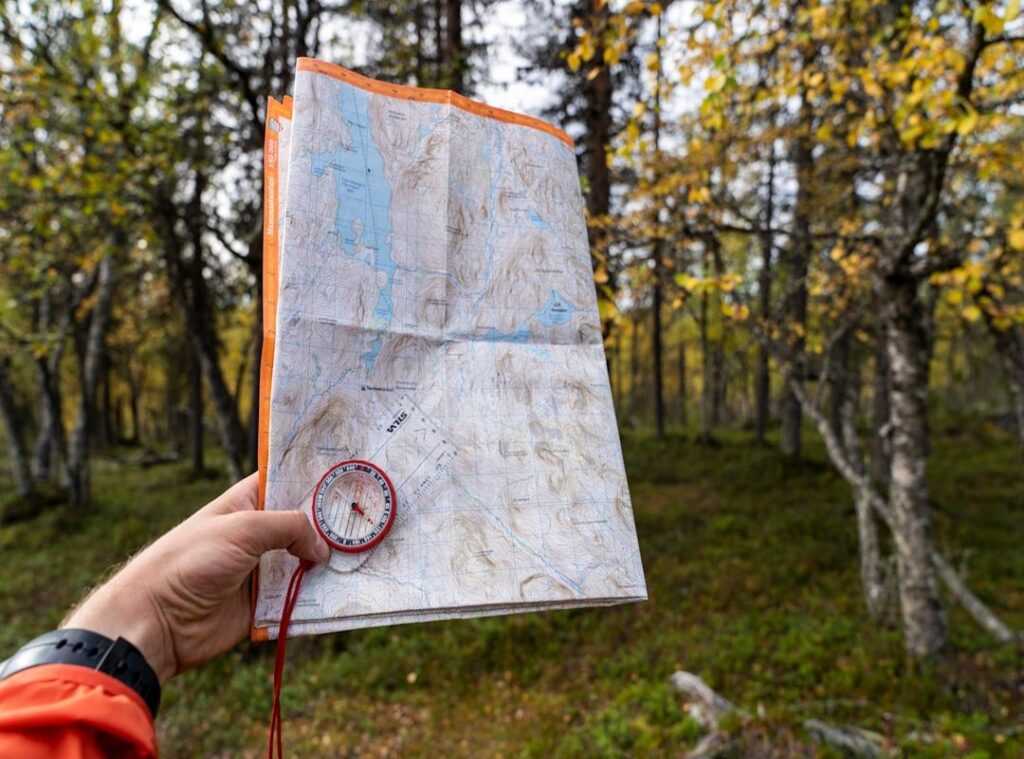
When it comes to wilderness navigation skills, nothing beats the classic map and compass combo. It’s the non-negotiable foundation of all navigation. You don’t need high-tech gadgets to find your way (just) these two trusty tools.
I mean, has your phone ever died at the worst possible moment? Exactly.
Reading a topographic map isn’t as intimidating as it sounds. Focus on those contour lines. They tell you how steep or flat the terrain is.
The closer they are, the steeper the slope. Water sources are key. Look for blue lines or shapes.
And don’t miss key symbols like trails, peaks, and structures. Each one is a little hint about what to expect.
Now, to the compass. First, orient the map to North. It’s simple: align the compass needle with the map’s north.
Next, take a bearing from the map. This means lining up the compass with your intended route. Finally, shoot an azimuth to a landmark in the field.
It’s like giving yourself a direction to follow (thank your future self later).
Think of a map as the story of the land. The compass? It helps you find your place in that story.
But here’s the kicker: practice. Don’t just read about it. Get out there.
Try it in a familiar area. Build that skill with some real dirt time. Before you know it, you’ll be ready for important survival tactics extreme situations.
Trust me, your future self will thank you.
Reading the Land: Nature’s Sneaky Signposts
Wilderness navigation skills aren’t just about tools. They’re about tuning in. Ever thought about using the sun as your guide?
It’s a reliable buddy, always moving east to west. But don’t get cocky. That’s just one piece of the puzzle.
Now, here’s a trick (the) shadow-tip method. Stick a stick in the ground (yes, really), mark where the shadow ends, wait 15-20 minutes, then mark it again. Connect the dots, and BAM, you’ve got a rough east-west line.
But let’s be real, you need more than one trick up your sleeve.
Water flows downhill (obviously) and generally heads toward larger bodies of water. But what about trees? They’re shaped by prevailing winds, and honestly, they’re pretty chatty if you know how to listen.
Vegetation can also clue you in. North-facing slopes? More shaded, usually damp.
South-facing? Sunnier and dryer.
Oh, and the moss myth? Forget it. Moss doesn’t just grow on the north side.
It grows where it’s wet and shady. This isn’t Harry Potter magic; it’s science.
The key to all this? Don’t rely on one sign. Nature doesn’t hand out directions.
It whispers hints. Combine those clues to get the full picture. You’re piecing together a space (like a jigsaw without the box).
Ready to see more than trees? Let the land guide you.
Night Moves: Navigating by the Stars
Finding your way in the dark is a lifesaving skill. Have you ever tried to get through without GPS? It’s all about the stars.
Specifically, Polaris, the North Star, is your best friend. Why? It sits almost directly over the North Pole.
Night or day, it doesn’t budge. Unlike the moon, which plays hide and seek, Polaris stays put.
Draw an imaginary line from these “pointer stars” straight up. You’ll hit Polaris. This technique is foolproof and basic enough for anyone to master.
Here’s how I do it: locate the Big Dipper. Look for the two stars forming the edge of its cup. Got them?
I’ve relied on it countless times in the wilderness.
Refuse to trust the moon. It’s erratic. Leave it to the poets.
If you’re in the Northern Hemisphere, Orion’s Belt and Sword point south. It’s not precise but works in a pinch. Learning these wilderness navigation skills isn’t just smart.
It’s necessary.
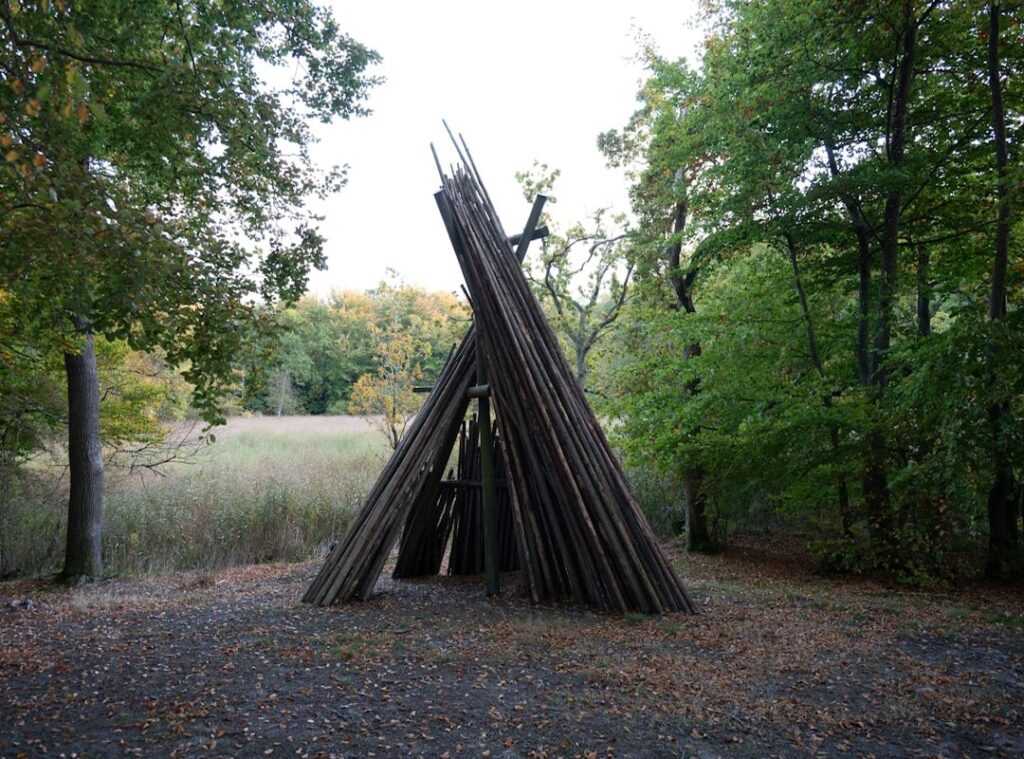
And if you want to avoid freezing at night without a reliable shelter, you can read more about building one. It’s another must-have skill when the wild gets wild.
The Digital Toolbox: GPS as a Backup, Not a Crutch
I get it. GPS is amazing. It’s like having a tiny, all-knowing guide in your pocket.
But here’s the thing: you can’t rely on it completely. I mean, what happens when your battery dies or you lose signal? You’re stuck.
That’s why I insist on using GPS as a backup, not a crutch.
Let’s be practical. Download offline maps before heading into the wilderness. Carry a fully charged power bank (you’ll thank me later).
Keep the device safe in a waterproof case and store it in a warm spot to preserve battery life. Cold weather eats batteries for breakfast.
Use your wilderness navigation skills. Plot your course with a map and compass first. Then, check your GPS to confirm, not to lead.
It’s not rocket science, just common sense.
Being out there without basic skills is like jumping off a plane without a parachute. Why take that risk? Equip yourself with the right skills alongside your high-tech gadgets.
You never know when they’ll fail you. Trust me on this one. Knowing how to get through without tech isn’t just smart; it’s important.
Avoiding Dead Ends: Navigating with Instinct and Precision
You’ve heard it before: trust your gut. But in the wilderness, your compass should be your guide, not your feelings. I’ve seen too many folks get lost because they don’t check their position regularly.
It’s called “map drift.” Keep your eye on the map, not just where you think you are.
Another mistake? Pushing on when disoriented. Stop.
Think. Observe. Plan.
It’s not just an acronym (S.T.O.P.); it’s a lifesaver. Ignoring this can lead to dangerous situations. These are the basics, yet surprisingly easy to forget.
Ever noticed how seasoned explorers seem to just “know” where they are? That’s experience talking (and a lot of practice).
Building true navigation instinct isn’t some mystical skill. It’s practice. Every trip you take is a chance to sharpen these wilderness navigation skills.
So, next time you’re out there, treat even the shortest hike as a learning opportunity. Your future self will thank you.
Master Your Own Path
Getting lost sucks. We’ve all felt that panic when tech lets us down. But here’s the fix: embrace wilderness navigation skills.
They’re not just survival tactics; they’re about owning your journey. By blending the reliability of maps and compasses with nature’s signs, you gain true freedom outdoors. It’s not just about survival; it’s about self-reliance and a real connection to the earth.
Next time you’re out there, ditch the phone. Trust your compass. Pick a landmark.
Feel the power in knowing you’re in control. Start with one step. Confidence in the wild is just one hike away.
 Theo Zavalayana is the kind of writer who genuinely cannot publish something without checking it twice. Maybe three times. They came to curious explorations through years of hands-on work rather than theory, which means the things they writes about — Curious Explorations, Frontier Findings, Hid Terrain Expedition Techniques, among other areas — are things they has actually tested, questioned, and revised opinions on more than once.
That shows in the work. Theo's pieces tend to go a level deeper than most. Not in a way that becomes unreadable, but in a way that makes you realize you'd been missing something important. They has a habit of finding the detail that everybody else glosses over and making it the center of the story — which sounds simple, but takes a rare combination of curiosity and patience to pull off consistently. The writing never feels rushed. It feels like someone who sat with the subject long enough to actually understand it.
Outside of specific topics, what Theo cares about most is whether the reader walks away with something useful. Not impressed. Not entertained. Useful. That's a harder bar to clear than it sounds, and they clears it more often than not — which is why readers tend to remember Theo's articles long after they've forgotten the headline.
Theo Zavalayana is the kind of writer who genuinely cannot publish something without checking it twice. Maybe three times. They came to curious explorations through years of hands-on work rather than theory, which means the things they writes about — Curious Explorations, Frontier Findings, Hid Terrain Expedition Techniques, among other areas — are things they has actually tested, questioned, and revised opinions on more than once.
That shows in the work. Theo's pieces tend to go a level deeper than most. Not in a way that becomes unreadable, but in a way that makes you realize you'd been missing something important. They has a habit of finding the detail that everybody else glosses over and making it the center of the story — which sounds simple, but takes a rare combination of curiosity and patience to pull off consistently. The writing never feels rushed. It feels like someone who sat with the subject long enough to actually understand it.
Outside of specific topics, what Theo cares about most is whether the reader walks away with something useful. Not impressed. Not entertained. Useful. That's a harder bar to clear than it sounds, and they clears it more often than not — which is why readers tend to remember Theo's articles long after they've forgotten the headline.