Ever felt your spirit crushed by a heavy backpack while hiking? I have. That dragging weight turns adventure into agony.
But imagine the freedom of floating down the trail, unburdened. A heavy pack can ruin your hike, making every step a painful ordeal. Over thousands of trail miles and endless gear experiments, I’ve learned the secrets of traveling light.
Trust me, you don’t need to suffer. This isn’t just a list; it’s a plan to hike farther, feel better, and connect deeper with nature. Dive into this guide for ultralight backpacking gear and maximize your wilderness experience.
Ready to transform your hikes?
Why ‘Go Light’? The Thrill of a Lighter Load
Ever felt like your backpack was dragging you down rather than lifting you up? That’s the thing with traditional loads. They can turn a hike into a slog.
Lightweight hiking isn’t just about cutting weight for kicks. It’s about finally covering more ground and feeling like you’ve got wings on your feet.
Imagine ending the day with energy left to enjoy a sunset. That’s the magic of embracing ultralight backpacking gear. And if you’re worried about leaving important items behind, don’t be.
Lightweight doesn’t mean leaving behind your common sense or safety gear. It’s about smarter choices. Less weight on your back means less strain on your knees and back.
This can lead to fewer injuries and quicker recovery times.
Mentally, it’s a game-changer too. Less fretting over blisters or throbbing muscles means more mental space to soak in the scenery. And let’s be honest (isn’t) that why we’re out here?
Of course, adding some high tech gadgets outdoor adventures into the mix doesn’t hurt. They can boost your journey without adding pounds to your pack. So why carry what you don’t need?
Go light, and let the adventure shine.
The ‘Big Three’: Your Foundation for a Light Pack
When it comes to lightening your backpack, the “Big Three” are where you’ll find the most significant savings. We’re talking about your shelter, sleep system, and the backpack itself. These are the heaviest items in most packs, and tackling them first can make a real difference.
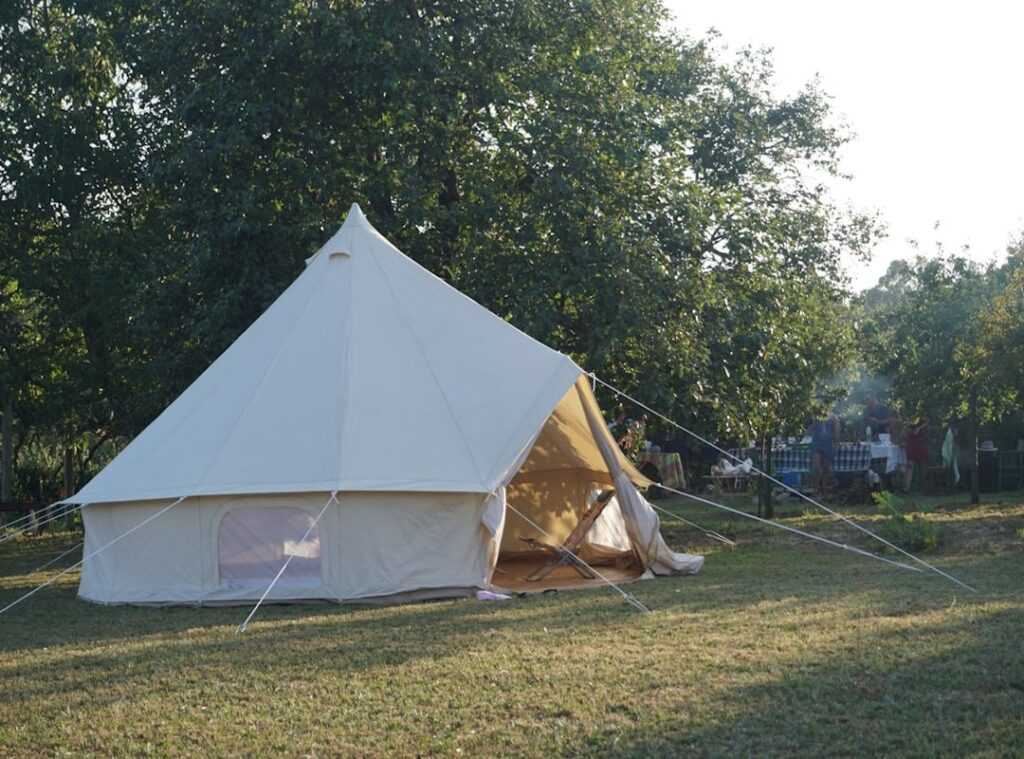
Let’s start with shelter. If you’re like me, you’ve probably spent too many nights in a tent that felt more like a prison. Ultralight tents, tarps, and bivvies are game-changers.
Sure, tents provide bug protection, but tarps are lighter and more versatile. Bivvies are great for minimalists. Materials like Dyneema and Silnylon are popular choices, offering strength without the weight.
But hey, they’re not cheap. Are they worth the investment for a few ounces? I’d say yes.
Now, the sleep system. Quilts versus sleeping bags is an ongoing debate. Quilts cut out the insulation underneath you, saving weight.
But do they keep you warm enough? It depends on how well you tuck yourself in. Down insulation is lighter but can be useless when wet.
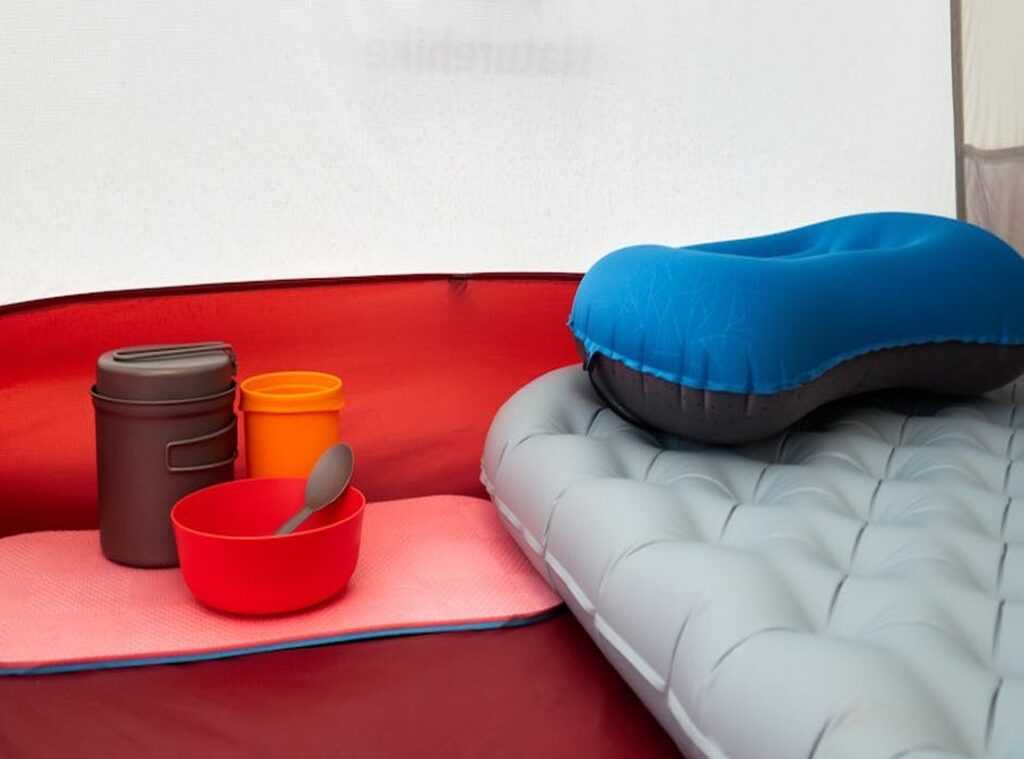
Synthetic is heavier but more resilient to moisture. Sleeping pads are another piece of the puzzle. Their R-value (which measures insulation) to weight ratio is key.
You don’t want to freeze your butt off just to save a few grams.
Finally, the backpack. Traditional framed packs are strong, but they’re heavy. Frameless or minimalist-frame packs cater to the ultralight crowd.
But here’s the kicker: you should pick your pack after lightening your other gear. Why? Because you can get away with a smaller, lighter pack when you’re not lugging around excess weight.
For those serious about ultralight backpacking gear by hyperlite mountain gear, these choices matter. Each decision impacts the weight you carry and, ultimately, your comfort on the trail. So, let’s cut the fluff.
Focus on the “Big Three,” and you’ll be miles ahead in crafting a pack that won’t break your back.
Pro tip: Test your gear setup on short trips before committing to an extended adventure. You’ll thank yourself when you’re not dealing with unexpected issues miles from civilization.
Beyond the Big Three: Smart Choices for Important Gear
When it comes to ultralight backpacking gear, it’s all about shedding weight without losing functionality. Your trail kitchen is a perfect place to start. I’ve tried different stove systems.

Canister, alcohol, solid fuel. Honestly, canister stoves are reliable, but they can be bulky. Alcohol stoves are lighter, but you need to carry fuel separately.
Solid fuel is the lightest option, though not as fast. But here’s a thought: why not go no-cook? Cold-soaking is an ultralight alternative that’s saved me countless ounces (and time).
Now, let’s talk about layering for the trail. A good layering system is like having your own climate control. You have your base layer to wick away sweat, a mid-layer for warmth, and a shell to keep the elements out.
Forget carrying around a heavy, single-purpose jacket. Materials like merino wool and down are your friends here. They offer a great weight-to-warmth ratio.
It’s like magic, really (warmth) without the bulk.
Water treatment is another area where you can cut weight. Squeeze filters like the Sawyer Squeeze are light and effective. Chemical drops or tablets are even lighter but take time to work.
UV purifiers? Fancy but not my first pick. A 1-ounce filter can easily replace a heavy pump filter.
Trust me, your back will thank you.
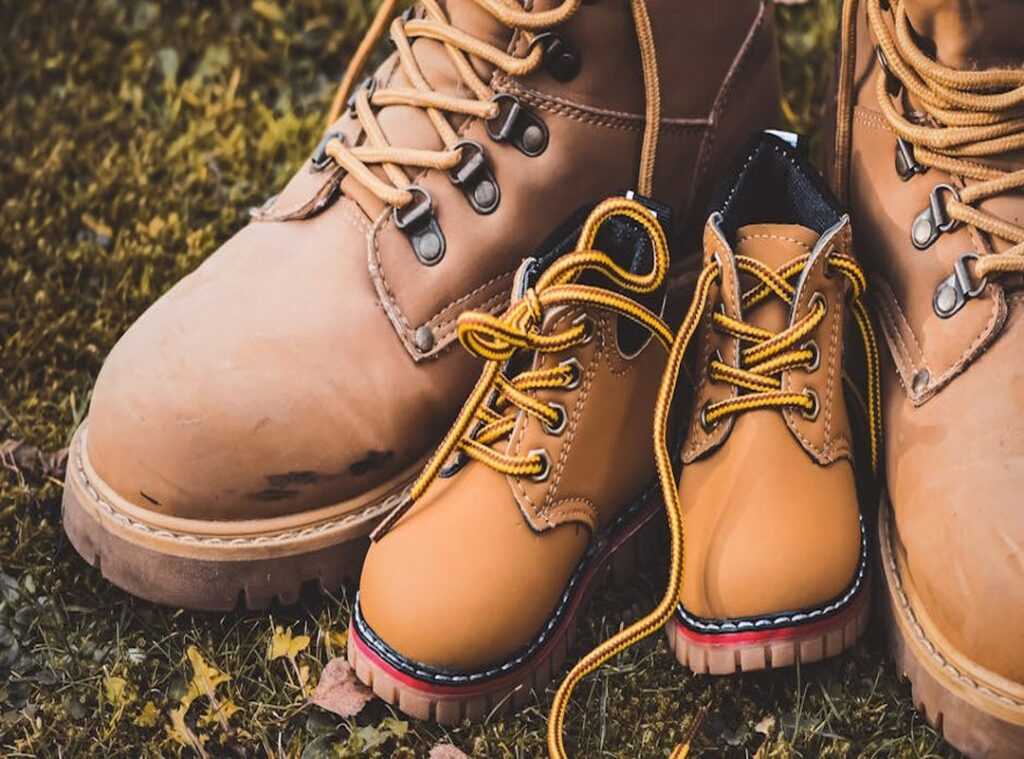
If you’re looking for other gear tips, like comparing top trekking boots, there’s so much to explore.
Weight isn’t the only thing you lose on the trail. Sometimes, it’s misconceptions about what gear you truly need. Pro tip: invest in a titanium pot and a long-handled spork.
They’re worth their weight in gold (or lack thereof). So, are you ready to rethink what you pack? Your next trek might just be your lightest yet.
Instant Wins: Easy Swaps to Shed Pounds Today
Ever thought about how much junk you’re hauling? It’s wild. You don’t need new gear to lighten your load.
Start by ditching those stuff sacks. Just shove your sleeping bag and clothes straight into your pack liner. You’ll save weight and space (trust me, every ounce counts).
Repackage everything. Those bulky food packages? Gone.
Use Ziploc bags instead. Same with toiletries. Small containers are your friend here.
Now, let’s talk water. Don’t lug around gallons. Carry only what you need to reach the next reliable source.
It’s a game changer, especially on long treks.
The “Ounce Weenie” audit is next. Snip off those extra straps and labels. Seriously, swap that heavy wallet for a Ziploc bag.
It holds your ID and cash just fine (and it’s waterproof).
Multi-use items are your secret weapon. Use trekking poles as tent poles. A bandana?
It’s your towel, pot holder, and sun protection. Embrace the dual-purpose life. It’s the essence of ultralight backpacking gear.
Why lug more than you need? These hacks are simple but effective. You might not win any fashion awards, but you’ll feel the difference on the trail.
Less weight, more adventure. Ready to give it a try?
Embrace the Lightness
Feel that relief? With ultralight backpacking gear, your adventures won’t feel like a chore. Remember the agony of lugging a heavy, awkward bag?
That’s gone. Now, it’s about being smarter, not just throwing money at fancy gear. You get to savor every moment, every view, with a lighter pack.
Here’s your challenge: Take a look at your pack. Pick one item. Lighten it for your next trip.
Trust me, you’ll feel the difference. Ready to transform your journey? Dive into it and see how much more exhilarating your adventure can be.
Start now. Feel the freedom.
 Ask Joseph Jasperincons how they got into curious explorations and you'll probably get a longer answer than you expected. The short version: Joseph started doing it, got genuinely hooked, and at some point realized they had accumulated enough hard-won knowledge that it would be a waste not to share it. So they started writing.
What makes Joseph worth reading is that they skips the obvious stuff. Nobody needs another surface-level take on Curious Explorations, Frontier Findings, Hid Terrain Expedition Techniques. What readers actually want is the nuance — the part that only becomes clear after you've made a few mistakes and figured out why. That's the territory Joseph operates in. The writing is direct, occasionally blunt, and always built around what's actually true rather than what sounds good in an article. They has little patience for filler, which means they's pieces tend to be denser with real information than the average post on the same subject.
Joseph doesn't write to impress anyone. They writes because they has things to say that they genuinely thinks people should hear. That motivation — basic as it sounds — produces something noticeably different from content written for clicks or word count. Readers pick up on it. The comments on Joseph's work tend to reflect that.
Ask Joseph Jasperincons how they got into curious explorations and you'll probably get a longer answer than you expected. The short version: Joseph started doing it, got genuinely hooked, and at some point realized they had accumulated enough hard-won knowledge that it would be a waste not to share it. So they started writing.
What makes Joseph worth reading is that they skips the obvious stuff. Nobody needs another surface-level take on Curious Explorations, Frontier Findings, Hid Terrain Expedition Techniques. What readers actually want is the nuance — the part that only becomes clear after you've made a few mistakes and figured out why. That's the territory Joseph operates in. The writing is direct, occasionally blunt, and always built around what's actually true rather than what sounds good in an article. They has little patience for filler, which means they's pieces tend to be denser with real information than the average post on the same subject.
Joseph doesn't write to impress anyone. They writes because they has things to say that they genuinely thinks people should hear. That motivation — basic as it sounds — produces something noticeably different from content written for clicks or word count. Readers pick up on it. The comments on Joseph's work tend to reflect that.